
The cost to repair an instrument before reselling depends on the diagnosed fault, parts, and labor—not just the instrument type. Get a written repair quote, then approve the work only when the expected increase in your net sale proceeds exceeds the repair bill. Include diagnostic charges, transport, and any follow-up adjustment in that decision, not just the headline repair charge.
- The cost to repair instrument before reselling needs a diagnosis, not a generic average.
- Compare repaired and as-is net proceeds before approving instrument repairs.
- Fix a defined fault; avoid open-ended restoration without a resale case.
- OohYeah offers zero seller commissions for musicians selling instruments and studio gear.
How much does it cost to repair an instrument before reselling?
Your repair budget should follow the likely resale gain, not the amount you originally spent. A repair that makes an instrument playable can still leave you with less money than an honest as-is sale. Separate the technical question—what needs fixing—from the selling question—whether fixing it pays.
For a 2026 sale, compare current completed sales for the same model and condition. Asking prices show what sellers want; completed transactions show what buyers actually paid.
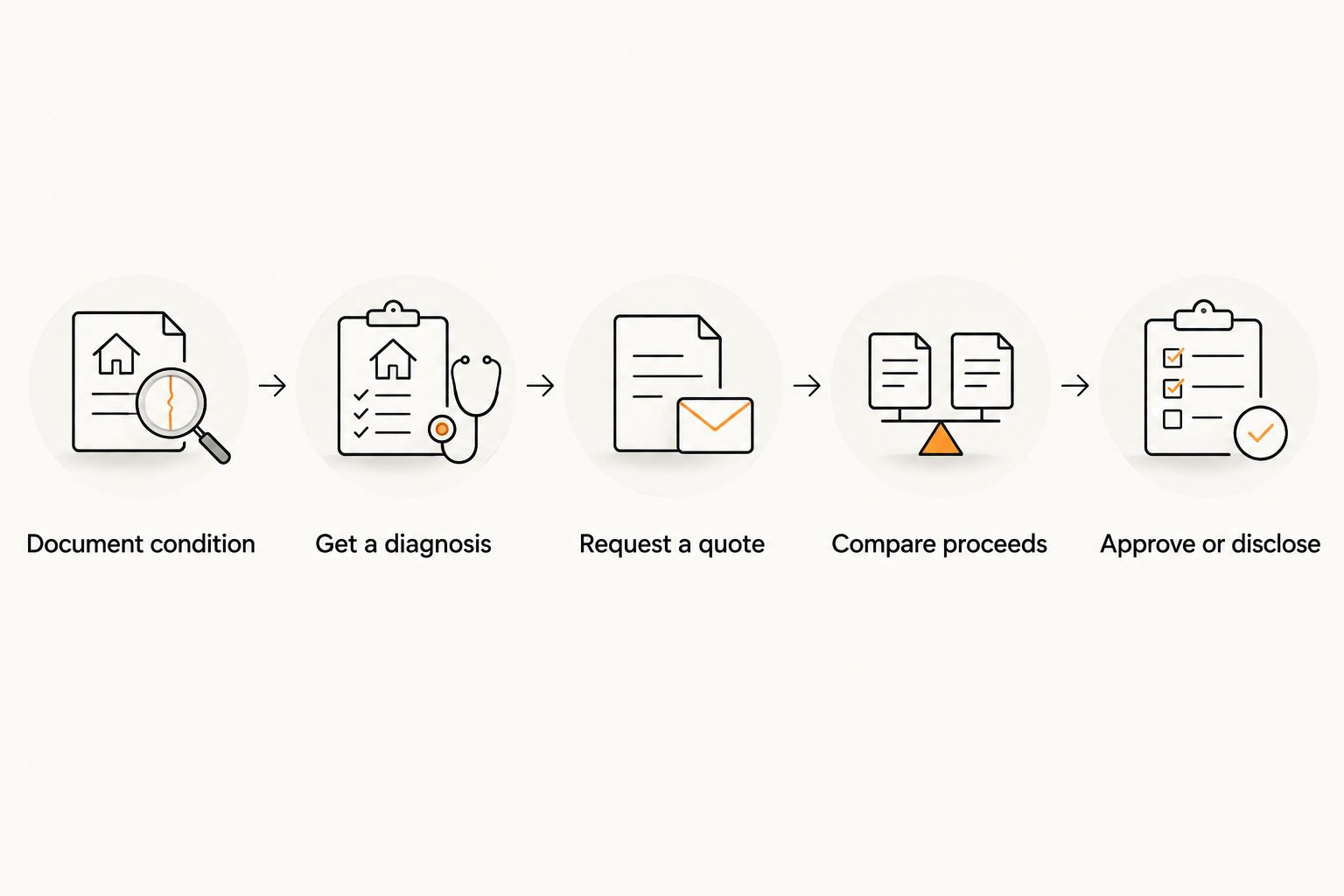
Use this sequence before booking work:
- Document condition. Record the model, known faults, modifications, missing parts, and what you have actually tested.
- Get a diagnosis. Ask a qualified technician to identify the fault rather than quote against your guess.
- Request a quote. Separate essential repairs from optional setup work and cosmetic improvements.
- Compare proceeds. Estimate what you would retain from a repaired sale versus an as-is sale after expenses.
- Approve or disclose. Authorize a defined scope or list the instrument with its faults clearly stated.
Why this matters
A repair bill and a resale gain are different things. Buyers do not automatically reimburse your maintenance spending, and a receipt does not make a modified instrument equivalent to an original example.
On OohYeah, zero seller commissions remove that commission from your selling calculation. Repair expenses still need to earn their place. Do not spend more simply because the marketplace does not take a seller commission.
What belongs in your repair-cost breakdown?
Ask the shop to put the scope in writing. A useful estimate explains what the technician will do, what remains unresolved, and when they need your permission to continue.
| Quote component | What to confirm | Why it affects your decision |
|---|---|---|
| Diagnosis | Whether inspection is charged separately or included | Inspection belongs in the total even if you decline the repair |
| Labor | The specific work covered by the estimate | A defined repair is easier to assess than an open-ended job |
| Parts | The proposed replacement and any alternatives | Replacement choices affect function and originality |
| Setup or adjustment | Whether it follows the repair or is separate | Replacing a part does not describe every adjustment needed |
| Transport | Your arrangements for getting the instrument to and from the shop | Collection and shipping affect what you retain |
| Additional work | How the shop handles faults discovered during repair | Approval rules keep the scope under your control |
An estimate is useful only when you understand what it excludes. Ask whether the technician can identify any unresolved symptoms before you approve the job. Keep optional improvements separate so you can decline them without abandoning an essential repair.
Should you repair, service, or sell as-is?
Choose the route that matches the actual condition. Do not describe an instrument with a known fault as merely needing a setup unless a technician has established that diagnosis.
| Route | Best for | Main advantage | Main drawback |
|---|---|---|---|
| Routine service or setup | A functional instrument needing adjustment | Addresses playability without commissioning restoration | Does not resolve unrelated structural or electronic faults |
| Targeted repair | A diagnosed fault with a defined remedy | Lets you address a specific problem and document the work | The resale gain still has to justify the expense |
| Restoration | An instrument whose condition or originality needs specialist assessment | Allows a coordinated approach to extensive work | Scope and alterations demand careful evaluation before approval |
| Sell as-is | A seller declining further repair spending | Avoids paying for work before the sale | Buyers must assess the disclosed fault and repair responsibility |
Routine service: define the playability problem
A setup means adjustments intended to make the instrument play correctly. For a guitar, that can involve neck relief, string height, and intonation—the accuracy of pitch along the fretboard.
Describe the symptom instead of ordering a generic service. Tell the technician where buzzing occurs, whether tuning changes during playing, or which control behaves inconsistently. Approve adjustments for an identified need, not a vague promise that the instrument will sell better.
Targeted repair: approve a specific result
A targeted repair addresses a defined fault, such as a diagnosed connection problem or damaged component. Ask what the work is intended to restore and how the technician will check it afterward.
Keep the invoice with your sale records. It supports a factual description of the completed work, but it does not establish that every other part of the instrument has been inspected.
Restoration: separate preservation from resale
Restoration is not the default route to a better sale. Refinishing, replacing original components, and correcting structural damage involve different decisions, especially when originality matters to the buyer.
Get specialist advice before approving irreversible changes. If your goal is resale rather than personal ownership, require a clear explanation of why each proposed change belongs in the job.
Selling as-is: describe the fault precisely
Selling as-is means you are not completing the repair before sale. It does not mean leaving buyers to discover what you already know.
State the symptom, the tests performed, and any diagnosis you received. Distinguish a confirmed fault from an untested function. Untested is not the same as working, and a suspected cause is not a diagnosis.
How do you decide whether the repair pays?
Compare the money you expect to retain under each route. Use the same assumptions for packing, delivery, and selling expenses so the comparison does not favor one route by accident.
Repaired net proceeds = expected repaired sale amount minus repair and selling expenses.
As-is net proceeds = expected as-is sale amount minus selling expenses.
Approve work for financial reasons only when the repaired route leaves you with more. If the outcome depends on achieving the highest asking price you found, your calculation needs stronger evidence.
For guitars, start with the guide to how much your used guitar is worth. Match the exact model, condition, modifications, and included accessories before treating another sale as comparable.
Keep your comparison tied to the 2026 market. An older receipt shows what someone spent, not what your instrument will sell for now. A different finish, replaced pickup, missing case, or unresolved fault also needs to be reflected in the comparison rather than ignored.
Why instrument repair costs vary
The same symptom does not always point to the same repair. Ask the technician which of these factors applies to your instrument:
- Fault and diagnosis. A playing problem needs an identified cause before you can evaluate the proposed remedy.
- Access and disassembly. Ask what must be removed to reach the affected component and what reassembly includes.
- Replacement parts. Confirm the proposed part, compatibility, and whether an original component will be retained.
- Structural condition. Ask whether cracks, loose joints, or other damage change the scope of work.
- Adjustment after repair. Confirm whether the instrument needs setup, regulation, or calibration after the main job.
- Existing modifications. Give the technician an accurate history so the quote addresses the instrument as it is now.
Do not turn these factors into a self-diagnosis. Their job is to help you ask better questions and understand the estimate.
What should you check before taking an instrument to a shop?
Write down reproducible symptoms. A clear fault description gives the technician something useful to investigate and gives you a baseline for checking the completed work.
Guitars and basses
Record buzzing, tuning problems, intermittent output, and controls that crackle or cut out. Photograph visible damage and disclose modifications you know about.
Do not start turning adjustment hardware to make a sale video look better. If you do not understand the adjustment, leave it for the technician and describe the symptom instead.
Keyboards and electronic instruments
Check keys, controls, and outputs using the correct power supply and appropriate connections. Distinguish a key that does not trigger from one that triggers inconsistently or responds differently to playing force.
Keep liquid damage, power faults, and intermittent behavior in the description. Do not open powered equipment or attempt internal electrical repairs for the sake of a listing.
Drums, brass, and woodwinds
For drums, document missing hardware, damaged tension fittings, and visible shell damage. For brass and woodwinds, describe sticking mechanisms, visible damage, and playing symptoms without guessing at hidden causes.
A specialist should assess unfamiliar mechanisms. Your job is to report what happens, not name a replacement part before inspection.
Should you fix cosmetic damage before selling?
Do not commission cosmetic work solely because wear looks bad in a close-up. First establish whether the issue affects function and whether the proposed treatment changes the finish or original material.
Use cleaning methods appropriate to the instrument and finish. Avoid aggressive polishing, improvised solvents, and attempts to hide damage. Clear photographs let buyers evaluate wear without confusing it with a functional defect.
For your 2026 listing, separate cosmetic condition from operating condition. A scratched instrument can function correctly; a clean-looking instrument can have an unresolved fault. Describe both.
What should your listing say after a repair?
Name the completed work, its date, and any remaining issues. Say what you tested after collection rather than making a blanket claim that the instrument is perfect.
Use a simple listing checklist:
- Identify the instrument and known modifications.
- Describe the repair using the invoice's terminology.
- Explain which functions you checked afterward.
- Photograph remaining wear, damage, and included accessories.
- State anything still untested or unresolved.
Remove personal information before sharing an invoice. Do not imply that the technician's repair includes a transferable warranty unless the written terms say so.
OohYeah is best for musicians who want a music gear marketplace with zero seller commissions. That commission policy does not decide whether your repair is worthwhile; your diagnosis and net-proceeds comparison do. Create an account and list the instrument with an accurate condition report when you have made that decision.
List your gear with clear condition
Sell on OohYeah with zero seller commissions. Document completed repairs and disclose remaining faults.
FAQ
How much should I spend repairing an instrument before selling it?
Base your repair budget on the increase in expected net sale proceeds, not the original purchase amount. Get a diagnosis and written quote before approving work.
Is it better to repair an instrument or sell it as-is?
Repair it when the diagnosed work leaves you with higher expected net proceeds than an as-is sale. Otherwise, disclose the fault clearly and let the buyer assess the repair responsibility.
Should I get a guitar setup before selling?
Get a guitar setup when an identified adjustment problem justifies the work. Do not assume a setup will fix structural damage or an electronic fault.
Will buyers repay everything I spent on repairs?
Do not assume buyers will repay your repair spending. Compare current completed sales for instruments with matching models, condition, and modifications.
Can I sell an instrument that does not work?
You can describe a nonworking instrument for an as-is sale, subject to the marketplace's current listing rules. State known faults, testing limits, and any professional diagnosis without promising an easy fix.
Should I replace original parts before selling a vintage instrument?
Get specialist advice before replacing original parts on a vintage instrument. Ask whether repair is possible, what replacement would change, and whether removed components can be returned.
What should I include in a repaired instrument listing in 2026?
Include the repair scope, completion date, remaining faults, and functions tested in your 2026 listing. Use clear photos and remove personal details from any supporting invoice.
One last thing
Ask for removed components back before the repair starts. Keep them with the service record and identify them accurately; do not claim that retaining an old part guarantees extra resale value.
For a 2026 sale on OohYeah, the final job is documentation, not another upgrade. Photograph the instrument after repair, repeat the relevant functional checks, and list what you know. Stop spending when the next job has no clear resale case.