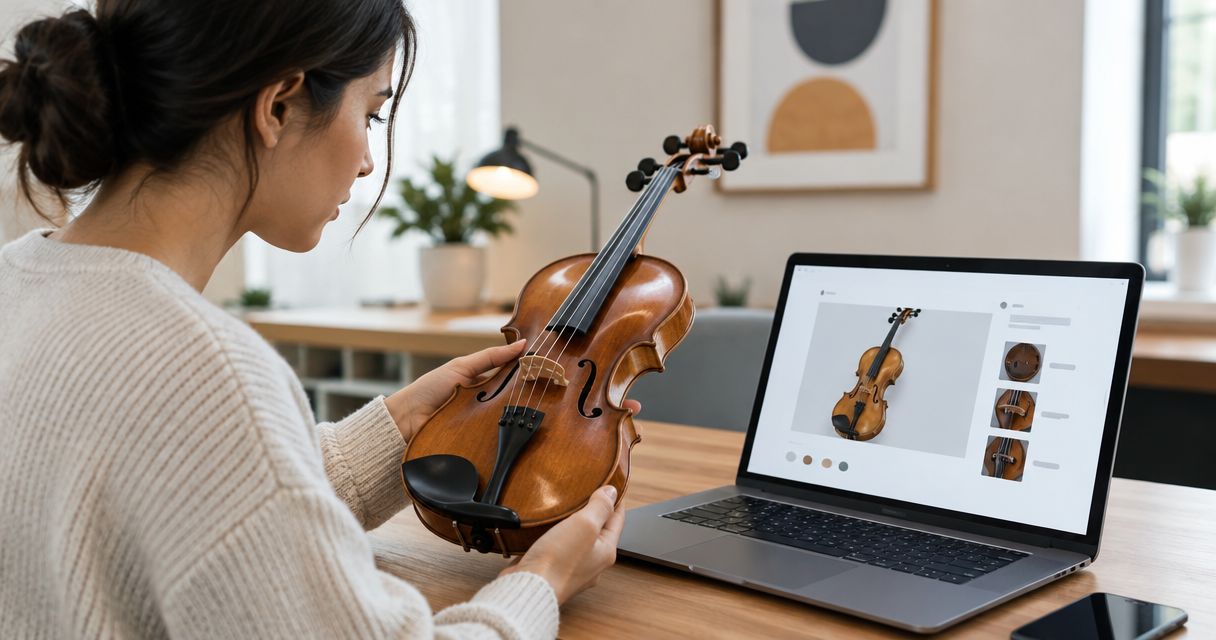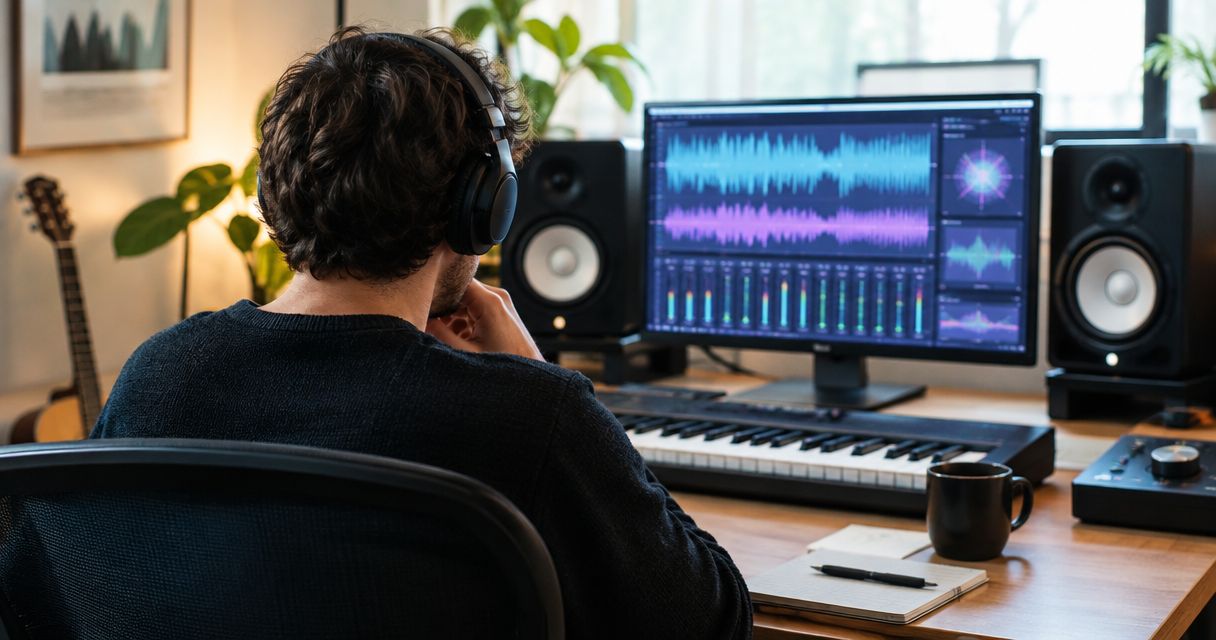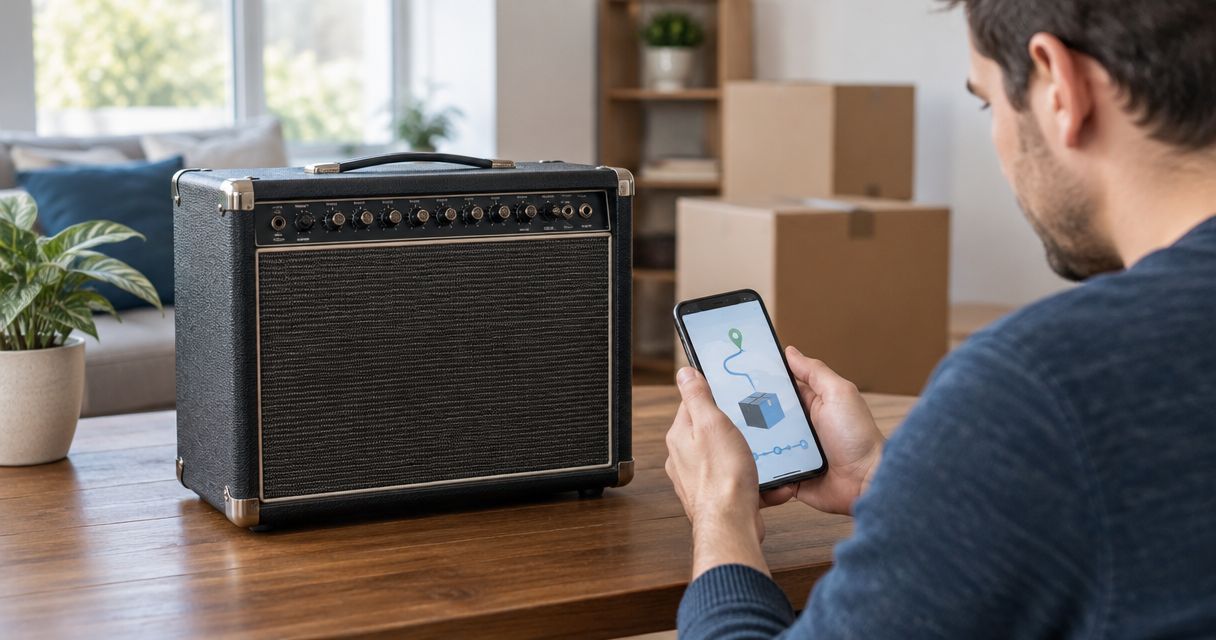
Yes, beginners can buy used gear safely online in 2026 by verifying the exact item, checking compatibility, and reading the transaction terms before paying. The catch is that a working instrument or interface can still need repairs, missing accessories, or software access that the listing does not include.
- Can beginners buy used gear safely? Yes—verify condition, compatibility, and payment terms before buying.
- OohYeah brings music gear and music professional services into one marketplace; assess each listing separately.
- Ask for a demonstration of the actual item, not just stock photos or a power-on picture.
- Skip listings with unresolved faults, unclear ownership, or pressure to bypass the agreed checkout process.
Can beginners buy used gear safely online?
Yes. Buy the item you can verify, not the story you are told. A clean finish does not prove working electronics, and a powered-on display does not prove that an interface records audio.
Use this sequence before committing:
- Identify the gear. Confirm the model, version, included accessories, and disclosed modifications.
- Verify condition. Request current photos and a demonstration of the functions you need.
- Check compatibility. Match the instrument or device to your existing recording or playing setup.
- Read the terms. Establish what happens if the item arrives damaged or differs from its description.
- Save the evidence. Keep the listing, messages, payment record, and delivery documentation together.
For recording purchases, the used studio equipment safety guide covers the same decision from a studio-focused angle. Start with the checks below before comparing listings.
Why this matters
Your first used purchase should help you make music, not become a repair project. Beginners face a particular problem: you might hear something wrong without knowing whether the cause is the gear, a cable, a setting, or your technique.
Separate those questions before paying. Ask the seller to demonstrate the item in a working setup, then check whether you can reproduce that setup with what you own.
Used gear is not automatically the wrong choice for a beginner. Unverified gear is the wrong starting point. Cosmetic wear and functional faults belong in different conversations.
Pick gear you can actually check
Choose by inspectability, not appearance. A straightforward item with clearly demonstrated functions gives you a better basis for a decision than a complicated device with an unexplained problem.
| Used gear option | Best for | Useful evidence | Main limitation |
|---|---|---|---|
| Guitar or bass | Players who can arrange a hands-on check | Clear neck, fret, bridge, and electronics demonstrations | Playability problems are difficult to judge from photos alone |
| Drum hardware | Drummers who can inspect mechanical parts | Photos of joints, threads, clamps, and complete assemblies | Missing fittings or damaged threads can prevent normal use |
| Audio interface | Home recordists with a confirmed computer match | A recording demonstration using the required inputs and outputs | Driver support and bundled software need separate checks |
| Keyboard or MIDI controller | Players who can verify every key and control | A demonstration of keys, pedals, controls, and connections | A working display does not establish that all controls work |
None of these categories is automatically safe or unsafe. The useful distinction is whether you can verify the functions you need and understand the consequences of a fault.
Best for a first purchase: gear with a clear description, demonstrated operation, and no unresolved defect. Leave unexplained intermittent faults to buyers who understand the repair work involved.
Verify the listing before you message
Read the entire description. Look for the exact model designation, condition, included accessories, repairs, modifications, and anything described as untested or nonfunctional.
Compare the photos with the description. If the seller names an accessory that never appears, ask whether it is included; if the pictures show an accessory that the description excludes, follow the written terms rather than assuming it comes with the sale.
Check these details:
- Identity: Model markings match the item described.
- Condition: Close-ups show wear and disclosed damage.
- Completeness: Power supplies, pedals, mounts, and other necessary parts are accounted for.
- Consistency: Photos and written claims describe the same item and condition.
- Ownership: The seller can explain what they are selling and address reasonable questions about its history.
A missing detail calls for a question, not an accusation. A seller who answers clearly gives you something to evaluate; unanswered contradictions leave you without a sound basis to buy.
Ask for a demonstration that proves function
For a used purchase in 2026, ask for a current demonstration of the actual item. Request a short, continuous video that shows the model and the functions you plan to use, rather than a polished performance that hides the controls.
Make the request specific. Ask the seller to identify the input, output, switch, or key being tested so you can connect the result to the hardware.
Guitar or bass checks
Ask for close-ups of the neck, frets, bridge, and any visible cracks or repairs. Request a plugged-in demonstration of each pickup position and the volume and tone controls on an electric instrument.
Listen for intermittent signal and ask about fret buzz or notes that choke out. A video cannot replace checking neck relief, fret condition, and playability in person; bring an experienced player or technician when those questions remain unresolved.
Interface and keyboard checks
For an interface, ask the seller to record through the inputs you need and demonstrate the relevant outputs. A power light proves power, not successful recording.
For a keyboard, request every key, including the black keys, plus the controls and pedal connections you intend to use. A MIDI controller needs to demonstrate that it sends control information to connected software; it does not necessarily produce sound itself.
Drum and hardware checks
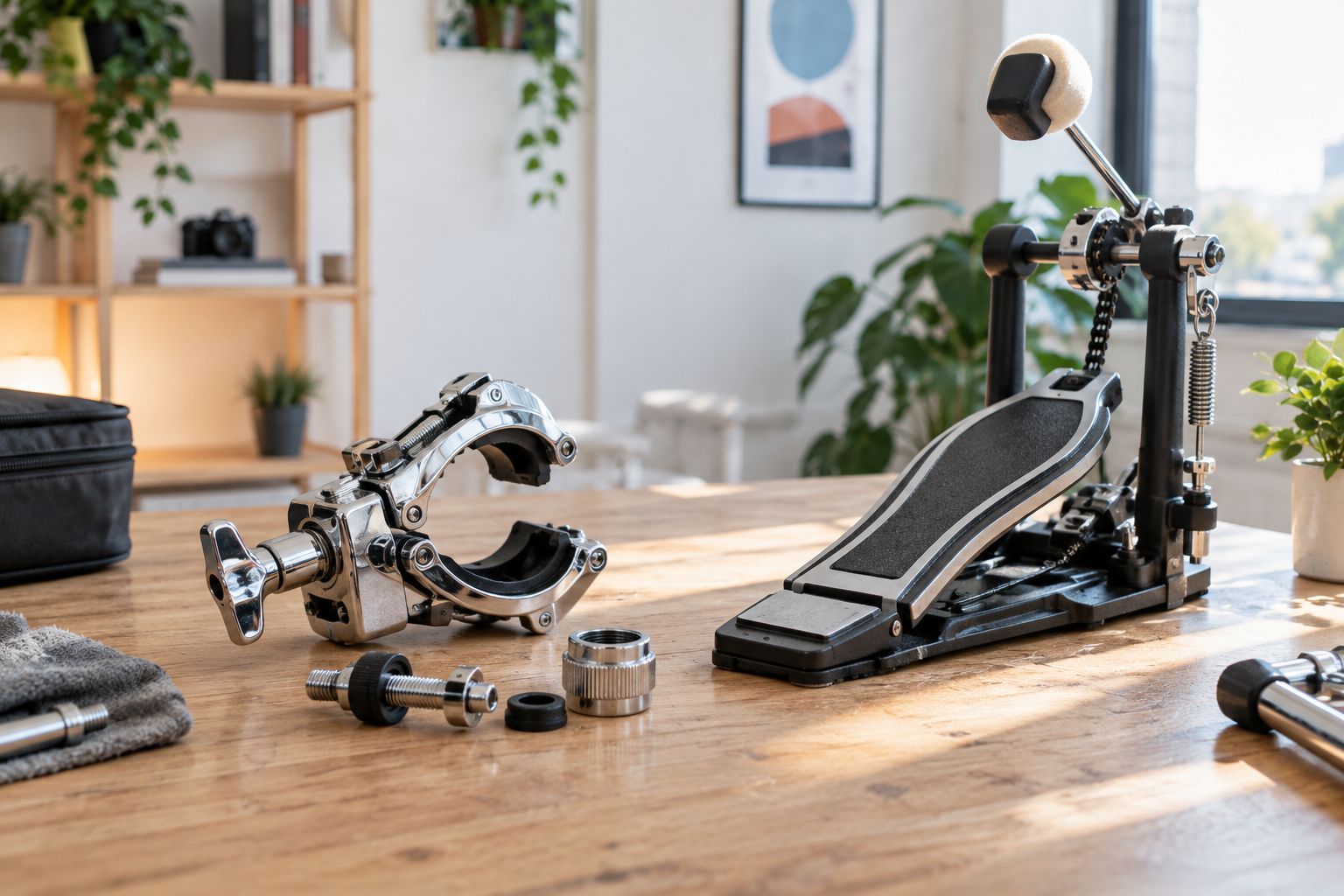
Ask for close-ups of shell edges, mounting points, cymbal holes, clamps, and threaded parts. Request a demonstration of moving mechanisms such as pedals and stand adjustments.
A worn drumhead and a damaged shell are different problems. If you cannot distinguish surface wear from structural damage, get a drummer or repair technician to review the evidence before buying.
Check compatibility before you pay
A device can work perfectly and still be wrong for your setup. For computer-connected gear in 2026, verify support for your exact operating system and hardware using the manufacturer's current documentation.
Do not treat the presence of a familiar socket as proof. The connector, cable, signal type, and software support all need to match the job.
Match connections to their purpose
Headphone connections commonly use 3.5 mm or 6.35 mm plugs. An adapter changes the physical connection; it does not establish that the output is suitable for a different purpose, such as driving passive speakers.
Some condenser microphones require 48 V phantom power, supplied through suitable microphone equipment. Confirm the microphone's requirements rather than assuming any audio input will power it.
Check the full signal path: instrument or microphone, cable, input, recording software, and monitoring output. Write it down if this is your first setup.
Verify software and power requirements
Ask whether any advertised software license transfers to a new owner. Hardware ownership and software access are separate questions, so confirm transfer eligibility with the software publisher rather than relying on the seller's login.
Check the required power supply, including voltage, polarity, and current requirements. Do not plug in an unidentified adapter just because the connector fits. Ask the manufacturer or a qualified technician when the markings are unclear.
Why the safety of used gear purchases varies
The risk comes from the item and the transaction together. These factors change how much verification you need:
- Mechanical complexity: Moving parts, adjustments, and wear surfaces need inspection beyond an exterior photo.
- Electronic complexity: Multiple inputs, outputs, and controls create more functions to test.
- Computer dependence: Drivers, operating systems, and licenses affect whether digital gear fits your setup.
- Repair history: Disclosed work needs enough detail for you to understand the current condition.
- Shipping exposure: Packing and handling matter for heavy, fragile, or awkwardly shaped equipment.
- Transaction terms: Return eligibility, reporting requirements, and payment dispute terms determine your options when something goes wrong.
A strong listing answers these questions directly. If a seller cannot demonstrate an essential function, treat that function as unverified—not as working by default.
Read payment and delivery terms before checkout
For any marketplace purchase in 2026, read the rules that apply to that specific transaction. Do not assume that a familiar payment method covers every type of purchase or every reason for a dispute.
Confirm who receives payment, how delivery is documented, and how to report an item that differs from its description. Keep messages in the transaction's documented communication channel where possible.
Stop if the payment instructions change unexpectedly. Requests to send money to an unrelated recipient, surrender account credentials, or bypass an agreed checkout process need resolution before payment.
For shipped gear, ask how the seller will secure loose parts and protect vulnerable areas. For a local handoff, arrange a suitable public location where testing is permitted; do not assume a quick meetup will provide power, quiet, or a usable amplifier.
When the item arrives, photograph the packaging and visible condition before discarding anything. Test promptly against the listing and report problems within the applicable terms, keeping the explanation factual and specific.
Where does OohYeah fit into a first purchase?
OohYeah suits musicians who want used music gear and access to music professionals in one marketplace. You can browse instruments and studio equipment and look for producers or engineers, depending on what your next project needs.
That scope is useful, but it does not replace checking an individual item. Judge condition, compatibility, and transaction terms separately rather than treating the marketplace name as proof that a listing fits your setup.
If you are replacing equipment, OohYeah also offers a place to sell music gear with zero seller commissions. Create an account and list the gear you no longer use; disclose faults and show the same evidence you would want as a buyer.
Should beginners buy gear listed as untested?
Beginners should skip untested gear when they need a working instrument or recording tool. Untested means you do not have evidence that it performs the required job.
Buy a repair project only when you understand the fault and have a repair plan. An unexplained problem is not a useful shortcut into learning an instrument.
Is local pickup safer than shipping?
Local pickup helps when you can test the gear before accepting it. It removes shipping from that transaction, but it does not establish ownership, working condition, or compatibility by itself.
Shipping lets you consider equipment farther away, while adding packing and transit questions. Choose the transaction you can verify, not the delivery method that sounds safer in isolation.
When should a beginner walk away?
Walk away when an essential question stays unanswered. Missing evidence about operation, unclear payment instructions, or pressure to decide before checking compatibility is enough reason to stop.
You do not need to prove dishonesty to decline a purchase. You need enough reliable information to make it.
FAQ
Can beginners buy used gear safely without knowing much about instruments?
Yes, beginners can buy used gear safely by verifying operation and asking an experienced player or technician to assess unfamiliar problems. Do not accept an unexplained fault as normal beginner gear.
What should I ask before buying a used guitar online?
Ask about playability, repairs, modifications, fret condition, electronics, and included accessories. Request current photos and a demonstration of the actual guitar.
Does a video prove that used studio gear works?
A video proves only the functions it clearly demonstrates. Ask to see the inputs, outputs, controls, and recording tasks you need rather than accepting a power-on clip.
Can I use any power adapter that fits used music gear?
No, a matching connector does not establish electrical compatibility. Verify the required voltage, polarity, and current requirements before connecting power.
Does used hardware always include the original software?
No, buying hardware does not automatically transfer bundled software licenses. Confirm eligibility and the transfer process with the software publisher before relying on that software.
Is OohYeah only for buying used instruments?
No, OohYeah is a marketplace for instruments and studio gear, music professional services, and artist and fan commerce. Buyers still need to verify each gear listing's condition and suitability.
What should I do if used gear arrives damaged?
Document the packaging and damage, save the listing and transaction records, and follow the applicable reporting process promptly. Keep the packaging until you know whether it is needed for a claim or return.
One last thing
Before your first used purchase in 2026, ask the seller this: demonstrate the exact job I need this gear to do. Recording vocals, controlling a software instrument, and playing through an amplifier require different proof.
A demonstration tied to your task is more useful than a generic claim that everything works. Buy gear you can put to work, not a problem you have to explain away.