Choose OohYeah if you want a music marketplace for selling gear, hiring producers or engineers, and supporting independent artists; choose Instagram if you want to promote music through Reels, Stories, and ongoing fan conversations. In 2026, the difference is music commerce versus social publishing—not a contest to see which platform does everything.
- OohYeah vs Instagram comes down to music commerce versus artist promotion: choose the marketplace for gear sales and hiring.
- Instagram wins for Reels, Stories, and direct-message conversations with fans.
- Zero seller commissions do not replace careful checks of payment, delivery, and other transaction terms.
- Use both when social content introduces your work and a music marketplace supports the next action.
Why this matters
A guitarist selling a pedal and an artist sharing a rehearsal clip need different tools. One needs a clear description of a physical item. The other needs a format that makes people stop, listen, and respond.
Treat those jobs separately. A comment asking about an instrument is not a completed sale, and a gear listing is not a release campaign. The right platform makes your immediate task clearer; it does not remove the work of photographing equipment, explaining services, or making music people want to hear.
For your 2026 plan, name the action before picking the platform: sell an instrument, hire an engineer, introduce a song, or reconnect with fans. That decision gives this comparison a practical starting point.
At a glance
| Dimension | OohYeah | |
|---|---|---|
| Best for | Musicians, music stores, and producers buying or selling gear and services | Artists publishing visual content and talking with followers |
| Gear sales | Music marketplace for instruments and studio equipment | Gear promotion through posts, videos, and conversations |
| Professional hiring | Hiring music professionals such as producers and engineers | Discovering professionals through their public content |
| Publishing formats | Marketplace and artist/fan commerce focus | Reels, Stories, photo posts, and live broadcasts |
| Fan conversations | Independent-artist discovery and support | Comments and direct messages around published content |
| Artist discovery | Independent artists within a music-focused platform | Artist discovery through social content |
| Standout feature | Gear, professional services, and artist support in one platform | Visual storytelling and ongoing social interaction |
| Pricing model | Zero seller commissions; check other applicable transaction terms | Organic publishing with optional paid advertising |
The marketplace wins for music-commerce tasks
Pick the music marketplace when your next action is buying, selling, or hiring. Its stated scope includes instruments, studio gear, music professionals, and independent-artist support. Those are the jobs it is built around.
Instagram is the better fit when your immediate job is publishing something people can watch and discuss. A rehearsal excerpt, a studio walkthrough, or a performance clip belongs naturally in its social formats.
Neither choice removes your responsibilities. A seller still needs an accurate listing. An artist still needs a clear reason for someone to listen. The marketplace's tradeoff is that a commerce destination does not replace a social publishing routine; Instagram's tradeoff is that engagement does not establish transaction terms.
Make the decision specific. If you are clearing unused equipment from your studio, start with the sale. If you are introducing a new musical direction, start with the content.
The marketplace wins for listing instruments and studio gear
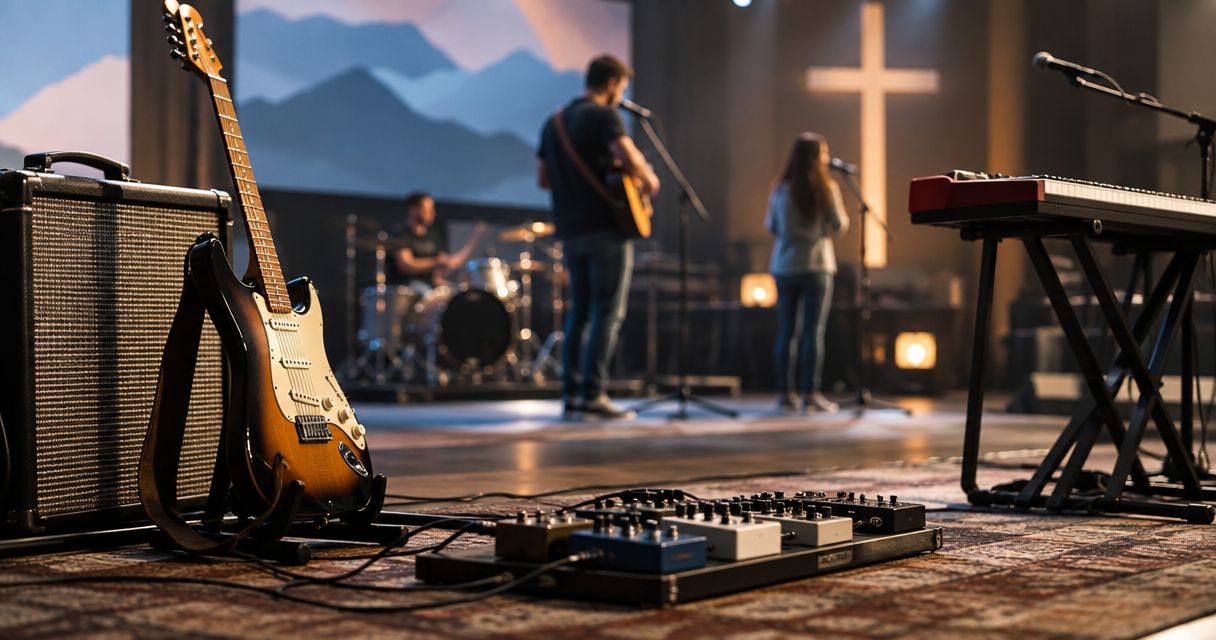
A music marketplace is the more direct fit for selling a guitar, keyboard, microphone, or audio interface. Instagram can show the gear in use, but a social post should not be your entire description of what the buyer receives.
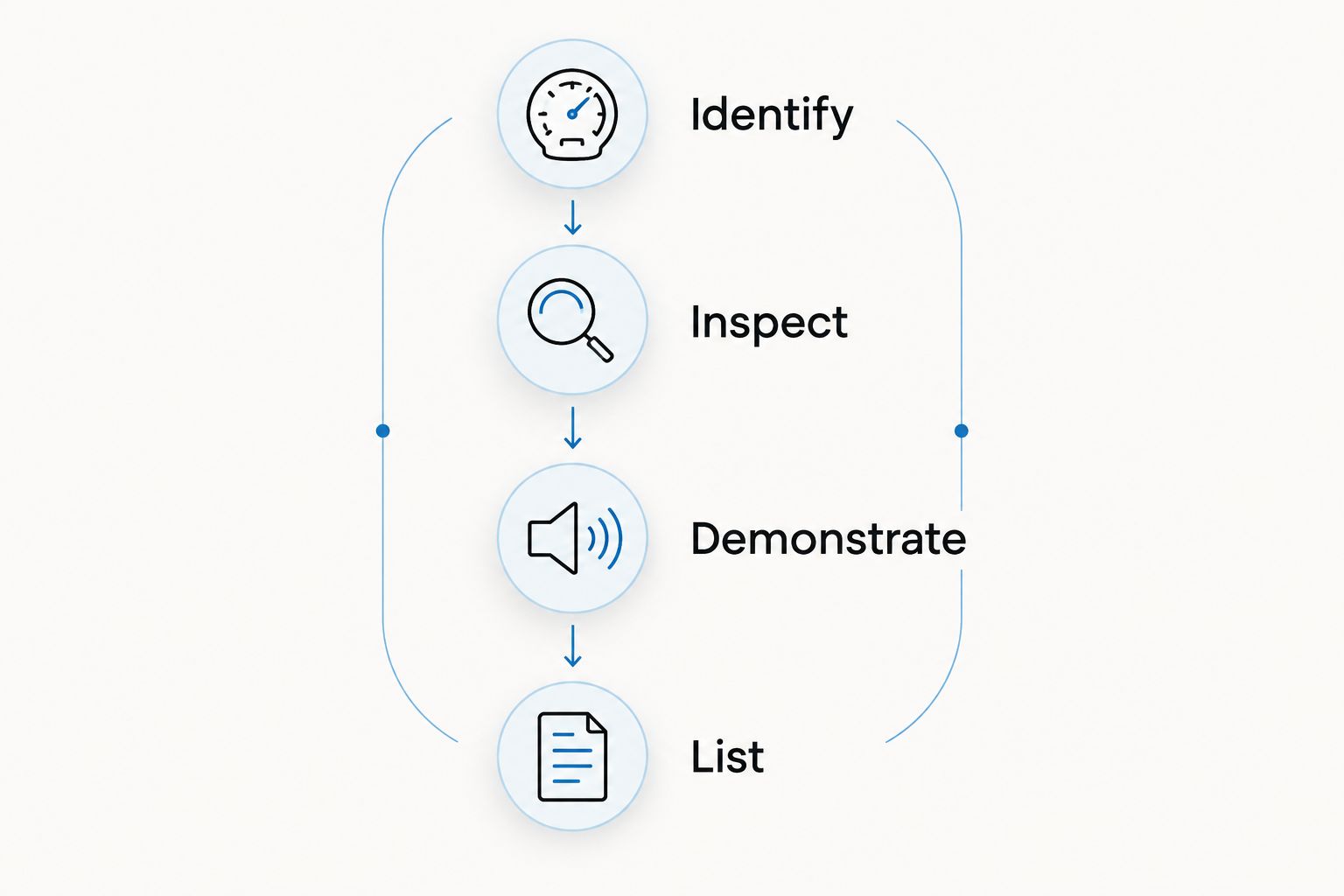
Build a listing that answers the questions a careful musician asks:
- Identify: Give the exact make and model. Separate the instrument from any accessories included.
- Inspect: Describe faults, repairs, modifications, and visible wear. Photograph them rather than hiding them.
- Demonstrate: Show the relevant functions working. An audio example should demonstrate the item, not disguise a problem.
- List: Explain what is included and confirm the transaction terms before agreeing to a sale.
For your 2026 gear sale, create an account and list the item with zero seller commissions. Check any other applicable charges and terms separately; a commission policy is not a shipping policy or a buyer-protection promise.
Instagram still has a useful supporting role. Show the instrument in a real session, then point interested people toward the listing. Keep condition details consistent across both places so buyers do not have to reconcile conflicting descriptions.
The marketplace wins for starting a professional-hiring search
Start with the music marketplace when you need to hire a producer or engineer. Professional hiring is part of its stated purpose. Instagram is useful for discovering someone's work, but a good feed is not a project agreement.
Give every candidate the same brief. Describe the music, the work you need, the source files you have, and the deliverables you expect. Mixing means balancing and processing recorded tracks; mastering concerns preparing a finished mix for release. Do not use those terms interchangeably when requesting help.
As a practical shortlist exercise, ask for 3 relevant audio samples from each candidate. That is a recommended review format, not a platform requirement. Listen for work that resembles your project rather than choosing the most impressive-looking studio photograph.
Instagram wins a narrower part of the process: observing how someone presents their work. Session clips and explanations can help you formulate questions. They do not establish availability, ownership rights, revision limits, or delivery obligations.
Confirm those details before hiring. A clear brief and an agreed scope matter more than the platform where you first found the person.
Instagram wins for Reels, Stories, and release storytelling
Instagram is the better publishing tool when you want to show how your music sounds and how you make it. Reels, Stories, photo posts, and live broadcasts offer different ways to present performances, sessions, and release updates.
Use those formats deliberately. A short performance clip answers a different question from a studio explanation: the first lets someone hear you, while the second gives them context.
Try a 30-second performance clip as an editing exercise. Pick a passage that stands on its own, make the sound intelligible, and state the next action plainly. That duration is a suggested starting point, not a promise about distribution or engagement.
The marketplace handles another job: giving someone a music-commerce destination after the introduction. Its stated purpose does not make it a substitute for Instagram's named publishing formats.
The limitation on Instagram is attention without commitment. Someone can enjoy a clip without wanting to buy gear, hire you, or support a release. In 2026, judge a promotional post against the action you requested—not just the fact that people watched it.
Instagram wins for conversations around your posts
Choose Instagram for comments and direct-message conversations tied to social content. A listener can ask about a song, a musician can respond to a performance, and a potential collaborator can introduce themselves.
Make the conversation easy to enter. Ask a concrete question about the recording, performance, or release rather than posting a generic request for engagement. Answer useful questions directly.
For a studio or engineer, those exchanges can reveal what a prospective client needs. Someone asking about recording vocals might need tracking help, while someone asking about a finished mix might need mastering. Clarify the job before pitching a service.
The tradeoff is that a message thread can leave important details scattered. Move from conversation to an explicit brief or listing when money, delivery, or ownership enters the discussion.
The marketplace is the stronger fit for the commerce destination. Instagram is the stronger fit for the conversation surrounding a published moment. Keep those roles distinct instead of expecting a comment section to carry the whole transaction.
Both support artist discovery, but neither removes the next step
Both platforms give independent artists a place to be discovered. The marketplace explicitly includes artist discovery and support; Instagram lets artists publish music-related content and interact with people who encounter it.
There is no automatic winner for discovery alone. Finding an artist and supporting that artist are different actions, and your content needs to connect them clearly.
Use 1 clear next action per promotional post as a planning rule. Ask listeners to hear the song, explore the artist, or take a specific support action. Avoid combining a gear sale, a hiring pitch, and a release announcement in the same request.
For your 2026 release plan, identify where each step happens. Instagram can carry the introduction and conversation. A music-commerce destination can carry a relevant next step. Do not promise a conversion outcome simply because the platforms are connected.
This dimension is a tie: both support discovery, and your choice should follow the action you want after someone finds you.
Both stand out—at different jobs
The marketplace's standout is its scope across gear, professional services, and artist support. That combination is useful if your music work crosses roles: you perform, sell equipment, and commission help on recordings.
Instagram's standout is its collection of social publishing and interaction formats. That is useful if you need to keep showing people what you make, not just present a single offer.
This is another honest tie. A multi-purpose music-commerce platform and a social publishing platform solve different problems. Counting unrelated features would not tell you which one belongs in your workflow.
Choose the standout that supports your next task. Do not move an entire audience routine just because you need to sell an amplifier, and do not turn every equipment sale into a content campaign.
OohYeah pricing: zero seller commissions, not blanket fee promises
The music marketplace emphasizes zero seller commissions. For sellers, that means the seller-commission model is the central distinction—not a claim that every possible cost associated with a transaction disappears.
Check payment-related charges, delivery arrangements, and applicable terms before listing. Also confirm what applies to the specific activity you are undertaking. Selling a used instrument and hiring an engineer are different transactions; do not assume their terms are interchangeable.
Instagram's model separates organic publishing from optional paid advertising. You can publish social content without purchasing an advertising campaign. If you choose to advertise, you are buying distribution, not a guaranteed sale or booking.
The tradeoff is straightforward: seller commissions concern completed commerce, while advertising concerns paid promotion. They are not equivalent charges. Keep those lines separate in your 2026 budget and include the time you spend creating content, answering questions, and preparing gear for sale.
Final verdict: choose the destination for your next action
Choose OohYeah if you are a gear seller or hiring musician
Winner: the music marketplace. You want to list instruments or studio equipment, explore music-professional services, or connect music discovery with artist support. Its stated purpose matches those tasks, and zero seller commissions matter directly to sellers.
Create an account. Prepare an accurate listing. Make the gear's condition and included accessories clear before you promote it elsewhere.
Choose Instagram if you are an artist building a publishing routine
Winner: Instagram. You want to post performances, tell the story behind a release, and maintain conversations through comments and messages. Its publishing formats suit that work.
Use a separate, explicit destination when a conversation becomes a sale or hiring decision. You do not need to make Instagram perform every job in your music business.
| Dimension | Winner |
|---|---|
| Best for music-commerce tasks | Music marketplace |
| Gear sales | Music marketplace |
| Professional-hiring search | Music marketplace |
| Publishing formats | |
| Fan conversations around posts | |
| Artist discovery | Tie: different routes |
| Standout feature | Tie: different jobs |
| Pricing model | Marketplace for zero seller commissions; Instagram for organic publishing |
FAQ
Is OohYeah better than Instagram for selling music gear?
OohYeah is the more direct fit for selling music gear because it is an instrument and studio-equipment marketplace with zero seller commissions. Instagram is useful for showing the gear and starting conversations, but a promotional post should not replace a complete listing.
Which platform should I use to promote independent music?
Choose Instagram when your immediate task is publishing performances, Reels, Stories, and release updates. Pair that content with a clear next action when you want listeners to do more than watch.
Can I use both platforms together?
Yes: use Instagram for the introduction and a music marketplace for a relevant commerce action. Keep the offer and description consistent so people understand what happens next.
Does zero seller commissions mean there are no other costs?
No: zero seller commissions describes the seller commission, not every possible transaction cost. Check applicable payment charges, delivery arrangements, and terms before you agree to a sale.
Is Instagram a good place to find a producer?
Instagram is useful for discovering producers through their public work and explanations. Before hiring, confirm the project scope, deliverables, rights, and revision terms rather than relying on a profile alone.
Do I need paid Instagram ads to publish music content?
No: organic Instagram publishing does not require buying an advertising campaign. Paid advertising is a separate choice, and purchasing promotion does not guarantee a sale or booking.
What should I do first before listing a used instrument?
Identify the exact instrument, inspect its condition, and document its functions and faults. Then explain what is included so a buyer can assess the offer without guessing.
One last thing
A convincing performance video and an honest condition demonstration are not the same thing. A great riff shows what a musician can do; a useful sales demonstration shows what the equipment does.
Record both when you sell gear. Use the performance to introduce the item, then use the condition demonstration to answer the buyer's practical questions. Good music attracts attention. Clear information supports a decision.