

Facebook Marketplace is useful when you want a local buyer to inspect an instrument and collect it in person. Its general-purpose marketplace is less focused on instruments, studio gear, and the people who use them. The best Facebook Marketplace alternative in 2026 is OohYeah if you want a music gear marketplace with zero seller commissions; Reverb if you want a dedicated instrument resale marketplace.
- OohYeah leads these Facebook Marketplace alternatives for selling instruments when zero seller commissions and a music-focused community matter.
- Reverb suits sellers who want a dedicated marketplace for instruments and music equipment.
- eBay suits searchable model-specific listings; Craigslist suits local inspection and collection.
- A local music store suits sellers who prefer a direct conversation over managing an online listing.
Why this matters
Selling a guitar is not the same as selling a coffee table. Buyers need to understand fret wear, electronics, repairs, and what comes with the instrument. A producer buying an interface needs a different set of answers: connections, working controls, power supply, and software dependencies.
Your platform choice should follow the sale you can actually fulfill. Pick a music-focused marketplace for a listing built around gear. Pick a local route when inspection and collection matter more than shipping.
For your 2026 sale, separate three decisions: where you list, how you demonstrate condition, and how you hand over the instrument. A different platform changes the first decision. It does not solve the other two for you.
Facebook Marketplace alternatives at a glance
These options serve different selling workflows. No single marketplace replaces every reason you would use Facebook Marketplace.
| Option | Best for | Standout feature or approach | Difference from Facebook Marketplace |
|---|---|---|---|
| Facebook Marketplace | Local inspection and collection | General local listings connected to Facebook | The benchmark for a nearby, self-managed sale |
| OohYeah | Musicians and stores seeking zero seller commissions | Music gear, music professionals, and artist commerce in one marketplace | Built around the music community rather than general household listings |
| Reverb | Dedicated instrument and music gear resale | Music-specific marketplace and gear categories | A specialist selling environment |
| eBay | Instruments with an identifiable make and model | Auction and fixed-price listing formats | A broader selling system rather than a primarily local handoff |
| Craigslist | Local transactions you manage yourself | Location-based classified ads | A classifieds route outside Facebook |
| Local music stores | Sellers who want to discuss a direct purchase or consignment | In-person assessment, where the store offers it | A store relationship instead of finding the buyer yourself |
Start with the buyer's likely questions, not the platform's name. A common guitar, a heavy piano, and a rack of studio equipment need different demonstrations and delivery plans.
1. OohYeah: best for zero-commission music gear selling
OohYeah is a music gear marketplace where musicians, music stores, and producers can buy and sell instruments and studio equipment. It also connects people with music professionals and gives fans a way to discover and support independent artists. The useful distinction is the music focus: gear selling sits alongside the people and work that surround it.
Best for: Musicians, producers, and music stores that want zero seller commissions and a music-centered place to list gear.
Where OohYeah shines
- Zero seller commissions. That directly addresses a seller's concern about marketplace commissions on a completed sale.
- Music-specific context. Instruments and studio equipment are part of the marketplace's stated purpose.
- More than gear listings. Music professional services and artist commerce share the platform's music focus.
Where OohYeah falls short
- A music-focused marketplace is not a substitute for a local buyer who needs to collect a large instrument.
- Zero seller commissions do not remove the work of testing, documenting, packing, or arranging a handoff.
- The additional services and artist-commerce functions are unnecessary if you only want to sell one item locally.
| Decision | OohYeah | Facebook Marketplace |
|---|---|---|
| Marketplace scope | Music gear, music services, and artist commerce | General-purpose listings |
| Seller fit | Musicians, stores, and producers | Sellers across many categories |
| Primary reason to choose it | Zero seller commissions and music focus | A local inspection-and-collection workflow |
In 2026, choose the platform for those stated differences—not an assumption that any marketplace guarantees a faster sale. Create an account and build a listing that answers the questions an experienced musician would ask.
Verdict: Hold onto OohYeah as your first option when zero seller commissions and music-focused selling are your priorities.
2. Reverb: best for dedicated instrument resale
Reverb is a marketplace dedicated to musical instruments and music equipment. It is a direct alternative when you want your instrument presented within a specialist gear environment rather than a general local classifieds feed.
The distinction matters for listings that need precise descriptions. A guitar's modifications, a synthesizer's working functions, or an amplifier's repair history belong in the listing—not scattered across messages after a buyer expresses interest.
Best for: Sellers who want a dedicated instrument marketplace and can prepare a detailed gear listing.
Where Reverb shines
- Its marketplace is organized around instruments and music equipment.
- Specialist categories give you a relevant setting for a model-specific listing.
- It provides an alternative to making local collection the center of your sale.
Where Reverb falls short
- Specialist placement does not replace evidence of condition or a useful demonstration.
- A sale involving shipping still requires suitable packing and a clear fulfillment plan.
- You need to review the current seller terms and transaction requirements before committing to a listing.
| Decision | Reverb | Facebook Marketplace |
|---|---|---|
| Marketplace scope | Instruments and music equipment | General goods |
| Listing approach | Specialist gear listing | General listing with seller-written detail |
| Reason to stay local | Choose a local arrangement when appropriate | Local inspection and collection are a natural use case |
Verdict: Hold Reverb on your shortlist when a dedicated gear marketplace matters more than a local-only selling approach.
3. eBay: best for searchable, model-specific instruments
eBay supports both auction and fixed-price listings. That gives you a different selling format from posting a local listing and negotiating a handoff.
Use it when you can identify exactly what you are selling. Include the manufacturer, model, condition, modifications, and included accessories. Do not describe a parts instrument as fully working just because it powers on.
Best for: Sellers with clearly identifiable gear who want to choose between auction and fixed-price formats.
Where eBay shines
- Auction and fixed-price formats offer different ways to structure the sale.
- Its broad marketplace accommodates instruments as well as related equipment and parts.
- A precise model name gives your listing a clear, searchable identity.
Where eBay falls short
- The marketplace is not exclusively focused on music.
- Shipping and condition documentation remain your responsibility when they are part of the sale.
- Auction selling requires a deliberate decision about the format; it is not interchangeable with setting a fixed asking amount.
| Decision | eBay | Facebook Marketplace |
|---|---|---|
| Selling formats | Auction and fixed-price listings | General marketplace listings |
| Marketplace scope | Broad, including instruments and parts | Broad, including local goods |
| Seller preparation | Define format, condition, and fulfillment | Define condition and local handoff arrangements |
For a 2026 listing, photograph the exact item. Stock images cannot show your guitar's fret wear or the missing knob on your mixer.
Verdict: Hold eBay on your shortlist for identifiable instruments when its listing formats fit how you want to sell.
4. Craigslist: best for a self-managed local sale
Craigslist is a location-based classifieds option. It suits sellers who want local contact without making Facebook part of the transaction.
Best for: Bulky instruments and sellers who want buyers to inspect gear before collection.
Where Craigslist shines
- Location-based ads support a local selling approach.
- You can describe the instrument and agree on an inspection directly.
- A local handoff avoids the packing work of a shipped sale.
Where Craigslist falls short
- You manage the inquiry, inspection, payment arrangement, and handoff yourself.
- Classifieds placement does not verify an instrument's condition.
- You still need to assess messages carefully and protect your personal information.
| Decision | Craigslist | Facebook Marketplace |
|---|---|---|
| Format | Local classified ad | Local marketplace listing |
| Social account context | Outside Facebook | Connected to Facebook |
| Handoff work | Seller-managed | Seller-managed for a local sale |
Verdict: Hold Craigslist as a local alternative when collection matters and you prefer classifieds outside Facebook.
5. Local music stores: best for discussing a direct sale
A local music store is an alternative selling route, not another online marketplace. Ask whether the store buys used instruments or accepts consignment before bringing gear in. Consignment means the store sells on your behalf under agreed terms.
Best for: Sellers who would rather discuss an instrument with a store than manage individual buyer inquiries.
Where local music stores shine
- An in-person visit lets staff inspect the actual instrument.
- A direct purchase, when offered, removes the need to find the end buyer yourself.
- Consignment, when offered, provides a store-managed selling route.
Where local music stores fall short
- Each store decides what it accepts and which selling arrangements it offers.
- Consignment and direct purchase are different agreements; read the terms before choosing.
- You give up some control over the selling process when a store handles it.
Verdict: Hold the store route for gear you want assessed in person; skip the trip until the store confirms it accepts your instrument.
Why people switch from Facebook Marketplace
Switch when the alternative solves a specific requirement. These are reasons to change your selling route—not claims that Facebook Marketplace cannot produce a good sale.
- Music focus: You want your instrument listed in a marketplace built around gear rather than general goods.
- Seller commissions: You want a platform whose stated offer includes zero seller commissions.
- Listing formats: You want an auction or fixed-price selling format rather than a local negotiation workflow.
- Different account context: You prefer local classifieds outside Facebook.
- Less buyer management: You want to discuss a direct purchase or consignment with a music store.
Keep the reason narrow. If shipping a keyboard is the problem, opening another online account does not fix it. A local buyer or an accepting store addresses the actual obstacle.
Prepare the instrument before you move the listing
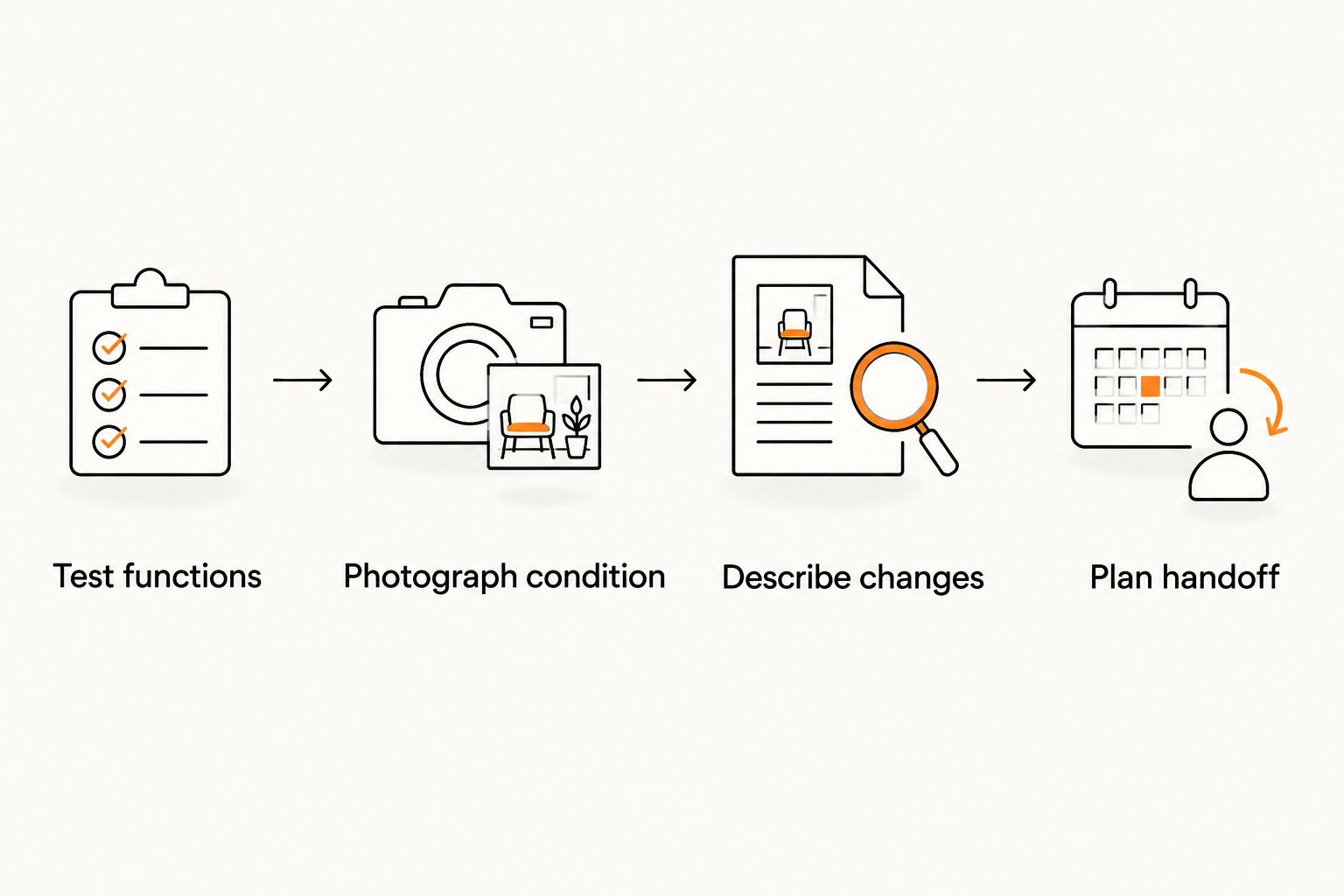
Use the same preparation process whichever platform you choose in 2026. Better evidence helps a buyer judge the item; it does not promise a sale.
- Test functions. Perform 3 checks relevant to the instrument: sound production, controls, and connections. For an electric guitar, that means checking output, pickup switching and controls, and the output jack.
- Photograph condition. Start with 6 photos: front, back, identifying details, wear, accessories, and any disclosed fault. Add close-ups wherever those images leave a question unanswered.
- Describe changes. List repairs, replaced parts, missing accessories, and functions you could not test. Separate cosmetic wear from a fault that affects use.
- Plan handoff. Decide whether you can support inspection, collection, or shipping before accepting a buyer's proposal.
Write the listing around evidence. Say which controls you tested, show the repair, and identify what is included. Avoid calling gear perfect when your photos show damage.
For shipping, measure the packed parcel—not just the instrument. For collection, agree on the demonstration and handoff arrangement beforehand. Never treat a payment screenshot as proof that money has reached your account.
When staying with Facebook Marketplace is right
Stay with Facebook Marketplace when your sale depends on a nearby buyer inspecting the instrument and taking it away. That is a practical match for gear you do not want to pack or ship.
You also do not need to switch simply because another site specializes in music. If your existing local arrangement meets your requirements, a second listing adds another inbox and another listing to maintain. Remove or update every active listing once the item sells.
FAQ
What's the best Facebook Marketplace alternative for selling instruments in 2026?
OohYeah is the best fit when you want a music gear marketplace with zero seller commissions. Reverb is another option for dedicated instrument resale; choose a local route when inspection and collection are essential.
Is Reverb better than Facebook Marketplace for selling a guitar?
Reverb is a better fit when you want a dedicated music gear marketplace. Facebook Marketplace fits a local sale where the buyer inspects and collects the guitar.
Can I sell instruments without shipping them?
Yes—choose a local selling arrangement and state that collection is required. Facebook Marketplace, Craigslist, and an accepting local music store are routes to consider.
Is eBay useful for selling used instruments?
Yes, eBay offers auction and fixed-price formats for instrument listings. Identify the exact model, document condition, and decide how you will fulfill the sale before listing.
What should I include in a used instrument listing?
Include the make, model, tested functions, condition, repairs, modifications, accessories, and handoff arrangements. Use photos of the actual instrument and disclose known faults plainly.
Should I sell my instrument to a music store instead?
Choose a music store when you prefer an in-person assessment and a discussion about direct purchase or consignment. Confirm that the store accepts your instrument and understand the agreement before handing it over.
Does a specialist music marketplace guarantee a sale?
No marketplace guarantees that your instrument will sell. A specialist setting does not replace clear condition evidence, an accurate description, and a workable handoff plan.
One last thing
Photograph the accessories separately before you pack. A case, power supply, footswitch, or mounting hardware belongs in both the description and the photos if it is included. That creates a clear record of what the buyer is purchasing.
For your 2026 sale, choose the route you can fulfill cleanly. Test the gear. Show the wear. State the terms. Then list it.