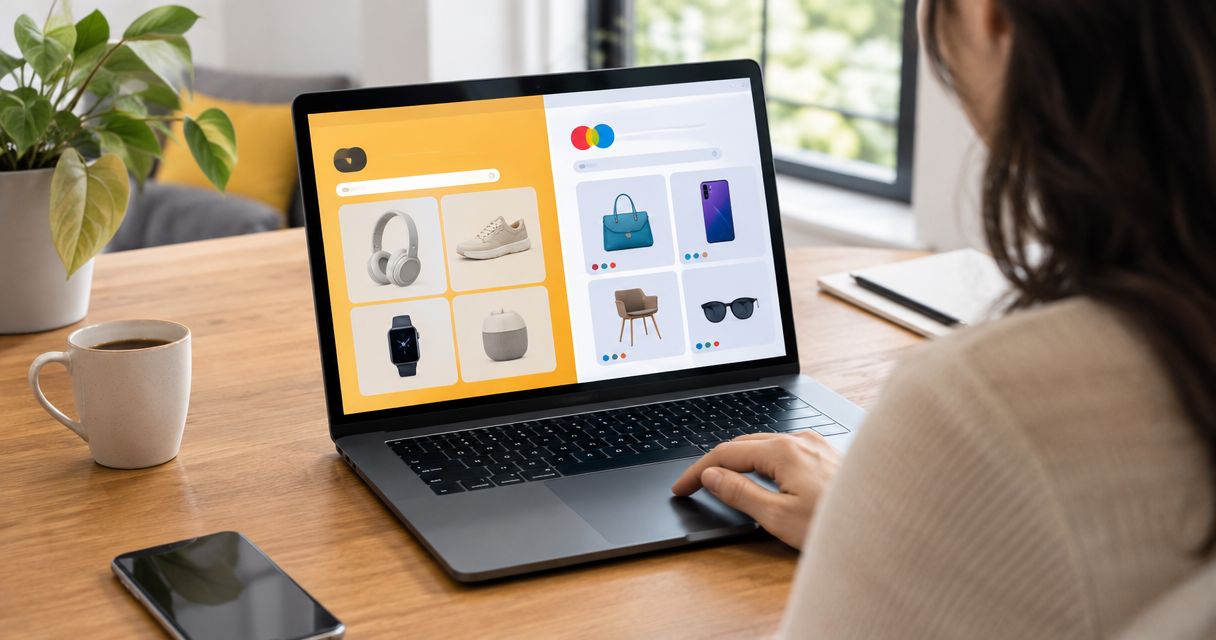

Choose OohYeah if you want a music marketplace for buying and selling gear, hiring music professionals, and supporting independent artists; choose Amazon if you want general retail shopping that includes music equipment alongside everyday purchases. This 2026 comparison separates those jobs so you can pick the right place to buy, sell, or finish a project.
- OohYeah vs Amazon: choose the music marketplace for gear selling, professional services, and independent artist support.
- Amazon wins for general retail shopping across music equipment and unrelated categories.
- OohYeah offers zero seller commissions; Amazon uses seller fees that vary by selling arrangement and category.
- For either marketplace, check the exact item, seller terms, and compatibility before buying.
Why this matters
A marketplace is not just a checkout page. It determines whether your next move is buying equipment, listing an instrument, finding an engineer, or connecting with an artist.
OohYeah is the music marketplace for musicians who need gear, professional services, and independent artist connections. Amazon is the general retailer for shoppers whose music purchase is part of a wider shopping list. Those are different strengths, not interchangeable promises.
For your 2026 decision, start with the job you need done. A microphone purchase and a mixing brief require different information, different conversations, and different selection criteria.
At a glance
| Dimension | OohYeah | Amazon |
|---|---|---|
| Best for | Musicians, music stores, producers, and independent music fans | General retail shoppers, including music equipment buyers |
| Shopping scope | Instruments, studio gear, music professionals, and artist commerce | Broad retail categories, including musical instruments and recording equipment |
| Gear buying | A music-focused marketplace | General retail shopping for identifiable products |
| Used gear selling | Instrument and studio gear selling with zero seller commissions | Seller accounts governed by category and condition requirements |
| Hiring professionals | Producers, engineers, and other music professionals | Primarily a retail destination, not a specialist music hiring marketplace |
| Artist support | Discovering and supporting independent artists | Shopping for music-related goods within a broader retail system |
| Condition checks | Evaluate the specific listing and seller terms | Evaluate the specific listing and seller terms |
| Compatibility checks | Match the equipment to your setup | Match the equipment to your setup |
| Pricing model | Zero seller commissions | Seller fees depend on selling arrangement and category |
| Standout feature | Gear, talent, and artist commerce within a music-focused marketplace | Shopping across unrelated categories in the same retail destination |
Amazon wins for a shopping list beyond music
Choose Amazon when your task is general shopping, not building a music-industry relationship. Buying a microphone cable alongside household supplies is a different job from finding a producer for your next release.
Amazon's breadth is the advantage here. You can shop across unrelated categories without treating every purchase as a specialist music transaction. If you already know the exact product you need, that general retail structure fits the task.
The tradeoff is focus. A broad retail destination is not the same thing as a marketplace organized around musicians, engineers, studios, and independent artists. It does not turn a shopping cart into a production brief.
Use this distinction in 2026: choose breadth for a mixed shopping list; choose music-specific scope when the purchase is part of a recording, performance, or selling project. Neither choice proves that an individual listing is right for you.
Amazon fits straightforward gear purchases
Amazon is the better fit when you know the exact item and want a conventional retail purchase. This is a workflow verdict, not a claim that every product, seller, or transaction is better.
Start with the model designation. Then check the included accessories, the seller, and the terms attached to that particular offer. Similar-looking microphones, interfaces, and stands are not interchangeable just because their names share a few words.
A music-focused marketplace serves a different need: keeping your equipment search close to the wider work of buying gear, selling gear, and finding professional help. That scope matters when your shopping decision is only part of the project.
The downside on either side is the same: a product page cannot choose your signal chain. Write down what the equipment must do before browsing. A familiar shopping experience is useful; a correct purchase is more useful.
For a recording setup, use the guide to used studio equipment stores to compare destinations around the equipment you actually need.
The music marketplace wins for commission-free gear selling
OohYeah wins on seller commission: its stated model is zero seller commissions. That is a concrete distinction for musicians, music stores, and producers selling instruments or studio equipment.
Amazon's selling model includes fees tied to the selling arrangement and product category. Its seller rules also determine which categories and item conditions you can list. Check those requirements before treating it as a destination for a particular used instrument.
Zero seller commissions does not answer every question about a sale. You still need to evaluate the applicable payment terms, shipping responsibilities, and other transaction conditions. Do not confuse a commission policy with a guarantee that every cost disappears.
Make the listing useful. Name the exact instrument or device, describe its condition, show the important surfaces and connections, and state what is included. A keyboard without its power supply and a complete keyboard package are different offers.
For your 2026 selling plan, create an account and prepare a clear listing before posting. The marketplace gets the item in front of shoppers; your description needs to explain what they are buying.
The music marketplace wins for hiring producers and engineers
Choose the specialist music marketplace when you need a professional, not another piece of equipment. Its stated scope includes hiring producers and engineers, which directly matches that job.
Amazon is primarily a retail destination. Buying studio equipment there does not replace selecting someone to record, edit, mix, or master your music. Keep the purchase decision separate from the hiring decision.
Define the role before contacting anyone:
- Producer: Explain the sound, creative direction, and arrangement help you need.
- Recording engineer: Describe the sources, recording environment, and session requirements.
- Mixing engineer: State what recorded material you have and what the finished mix must deliver.
- Mastering engineer: Explain the release format and the material you will supply.
The limitation is practical: access to music professionals does not make every professional right for your track. Listen to relevant work, agree on deliverables, and clarify revisions before committing. Choose the person against the brief, not against the gear pictured in a studio photo.
The music marketplace wins for independent artist connections
Choose the music-focused marketplace when discovering and supporting independent artists is the point of the visit. Artist and fan commerce is part of its stated purpose, alongside gear and professional services.
Amazon fits a retail transaction for music-related goods. That is useful when the item is the destination. It is a different proposition from entering a marketplace that explicitly connects fans with independent artists.
For artists, separate your goals. Selling an instrument clears space in the studio; selling to fans supports a different relationship. The same audience, listing language, and offer will not automatically serve both.
The tradeoff for a music-focused platform is scope. It is not the choice for a shopping basket dominated by unrelated household purchases. Its advantage is that music is the organizing context rather than one department among many.
In 2026, choose the destination that matches the relationship you want: buyer and seller, musician and engineer, or artist and fan. Do not ask a general retail workflow to solve every one of those jobs.
Neither marketplace replaces a condition check
Condition is a tie: judge the item, not the marketplace name. This is especially important for used instruments and studio equipment, where wear and missing parts change the purchase.
A seller's description needs to answer practical questions. Does the equipment function as described? Which accessories come with it? Are repairs, modifications, or faults disclosed?
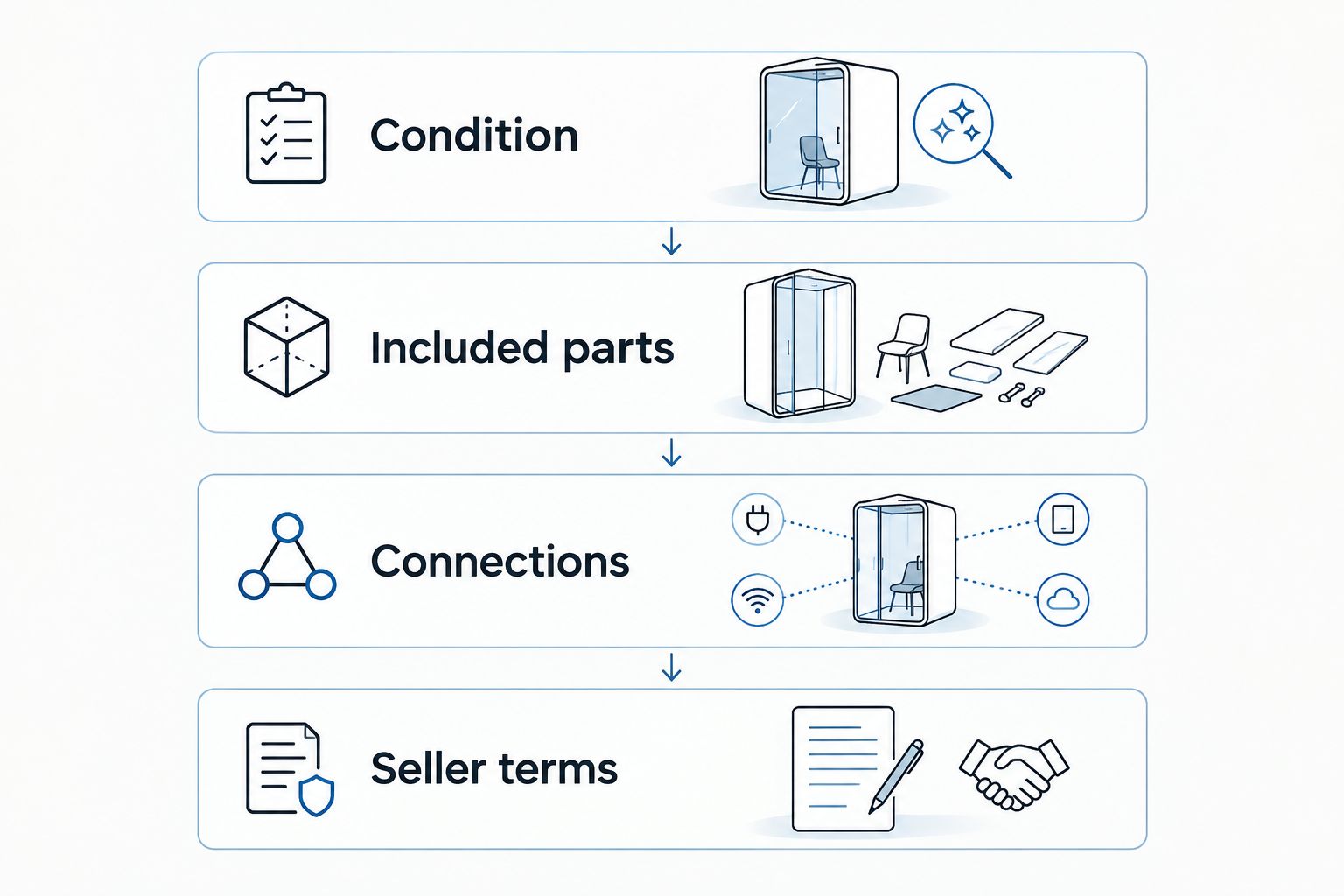
Use these checks before committing:
- Condition: Ask about cosmetic wear and functional problems separately.
- Included parts: Confirm power supplies, mounts, cases, and other necessary accessories.
- Connections: Check that sockets, controls, and physical connections match the description.
- Seller terms: Read the terms attached to the actual transaction.
A worn finish is not the same thing as an intermittent output socket. Ask a specific question about the part that matters to your use, rather than asking whether the item is simply in good condition.
Neither marketplace replaces a compatibility check
Compatibility is another tie: the right equipment must fit your setup. A marketplace category tells you what kind of item you are viewing, not whether it works with your recording or performance chain.
For example, an interface with 2 microphone inputs cannot capture 4 separate microphones simultaneously through those inputs alone. Match the input count to the sources you intend to record. Do not count headphone outputs or playback channels as additional microphone inputs.
Likewise, 24-bit depth and a 48 kHz sample rate describe digital recording settings; they do not tell you how many performers you can record at once. Treat specifications as answers to separate questions, not as interchangeable signs of quality.
Check computer connections, operating-system requirements, microphone power needs, and the cables your setup requires. For instruments, check the relevant physical fit and configuration instead.
The practical verdict is simple: neither destination wins by letting you skip homework. Put your requirements beside the listing and resolve any mismatch before buying.
Pricing models: commission-free selling versus seller fees
Compare the charging structure before choosing where to list. For 2026, OohYeah's stated seller proposition is zero seller commissions; Amazon uses seller fees that depend on the selling arrangement and category.
That creates a clear difference in how you assess the sale. With a commission-free model, seller commission does not take a share of the transaction. With Amazon, you need to understand the applicable selling charges before deciding whether the listing works for you.
Neither model determines the total cost of moving an instrument from your studio to its buyer. Packaging, shipping responsibilities, payment conditions, and other applicable terms still need attention. Read the current rules for the transaction you intend to make.
If you are hiring an engineer instead of selling gear, agree on the scope separately. Define the deliverables, source files, revisions, and handoff requirements. A seller commission policy is not a professional-services quote.
Final verdict: pick the destination for the job
Choose OohYeah if you work across the music community
Best for: musicians, music stores, producers, and independent music fans. Choose the music marketplace when you want to sell gear without seller commissions, hire music professionals, or discover and support independent artists.
Its strength is the connection between those activities. Its limitation is equally clear: music focus is not general retail breadth. Start with an account and a specific task, whether that is listing an instrument or finding an engineer.
Choose Amazon if you want general retail shopping
Best for: shoppers buying known products across music and everyday categories. Choose Amazon when your main task is a conventional equipment purchase within a broader shopping list.
Its strength is category breadth. Its limitation in this comparison is that broad retail shopping does not replace a specialist music hiring or artist-support workflow. Check the exact offer before deciding.
| Dimension | Winner |
|---|---|
| Best for music-community activity | Music-focused marketplace |
| Broad shopping scope | Amazon |
| Straightforward retail gear purchase | Amazon |
| Seller commission model | Music-focused marketplace |
| Hiring music professionals | Music-focused marketplace |
| Independent artist connections | Music-focused marketplace |
| Condition verification | Tie: item-level checks required |
| Compatibility verification | Tie: setup-level checks required |
| Pricing model | Music-focused marketplace for zero seller commissions |
| Standout feature | Split: music connections versus retail breadth |
FAQ
Is OohYeah better than Amazon for musicians?
OohYeah is the better fit for musicians who want gear selling, professional hiring, and independent artist connections in a music-focused marketplace. Amazon is the better fit for general retail shopping that includes music equipment.
Which marketplace should I use to sell an instrument?
Choose the music-focused marketplace when zero seller commissions is your priority. Before listing on Amazon, check the applicable seller fees, category rules, and permitted item conditions.
Does zero seller commission mean there are no other costs?
No, zero seller commission describes the commission policy, not every possible transaction cost. Check payment conditions, shipping responsibilities, and any other applicable terms separately.
Is Amazon a good choice for buying music equipment?
Amazon fits a straightforward retail purchase when you know the exact equipment you need. Verify the model, included accessories, seller terms, and compatibility rather than choosing by marketplace name alone.
Which marketplace should I choose to hire a mixing engineer?
Choose the marketplace whose stated services include hiring music professionals. Prepare a brief covering your recorded material, desired deliverables, and revision expectations before selecting an engineer.
What should I check before buying used studio gear?
Check functional condition, included accessories, connections, and the terms of the specific transaction. Then confirm the equipment meets your recording setup's input and compatibility requirements.
Can I choose different marketplaces for different music tasks?
Yes, choose each destination for the task it serves. General retail purchases, used gear sales, professional hiring, and independent artist support do not need to share one workflow.
One last thing
Name the bottleneck before buying more gear. If the problem is an arrangement, an unfinished mix, or a recording you cannot use, another device is not automatically the answer.
For your next 2026 project, write one sentence describing what must change. Then decide whether you need equipment, a buyer for equipment you no longer use, or a professional who can finish the work. That choice matters more than the marketplace logo.