SoundCloud gives independent musicians a place to publish tracks, share works in progress, and connect through comments attached to the audio. When your next move is selling, hiring production help, or publishing video, a track-sharing platform is only part of the job. The best SoundCloud alternative in 2026 is OohYeah for artist commerce and music-professional services; Bandcamp is the better fit for selling recorded music directly to fans.
- Compare SoundCloud alternatives for independent musicians by the job: discovery, direct-to-fan sales, video, or DJ mixes.
- OohYeah fits artist commerce, music gear trading, and hiring producers or engineers, with zero seller commissions.
- Bandcamp fits direct music sales; YouTube fits video publishing; Mixcloud fits DJ mixes and radio shows.
- Keep SoundCloud when sharing tracks and getting time-specific listener comments remains your priority.
Why this matters
A place to upload a song is not automatically a place to build every part of your music business. Selling an album, booking an engineer, and publishing a DJ mix are different jobs. Choose the platform that handles the job you actually need done.
This 2026 comparison covers 5 platforms: SoundCloud and 4 alternatives. It is a shortlist of different uses, not a claim that every service replaces every SoundCloud feature. Start with your release, your audience, and the action you want listeners to take.
Do not move just to move. If your audience already follows your demos on SoundCloud, keep that connection while adding a destination for the next step.
SoundCloud alternatives at a glance
| Platform | Best for | Standout function | Difference from SoundCloud |
|---|---|---|---|
| SoundCloud | Sharing original tracks and works in progress | Comments tied to moments in a track | The benchmark for audio sharing in this comparison |
| OohYeah | Artist commerce, gear trading, and hiring music professionals | A marketplace connecting musicians, professionals, and fans | Adds commerce and professional services to your music activity |
| Bandcamp | Selling recorded music directly to fans | Digital releases alongside physical music and merchandise | Centers the purchase and the release catalog |
| YouTube | Publishing music videos, performances, and tutorials | Video publishing with search and channel subscriptions | Makes the visual presentation part of the release |
| Mixcloud | Publishing DJ mixes and radio shows | Long-form audio built around shows and mixes | Fits a program or set rather than only individual tracks |
Pick by format and purpose, not by brand recognition. A singer releasing an EP and a DJ publishing a radio show do not need the same replacement.
1. OohYeah: best for artist commerce and music services
OohYeah brings artist and fan commerce together with a marketplace for instruments, studio gear, and music professionals. Musicians can buy and sell equipment, hire producers or engineers, and connect with fans who want to discover and support independent artists.
That makes it relevant when your SoundCloud question is really a business question. You need a producer for the next recording, want to sell unused studio gear, or want fans to do more than listen.
Where the marketplace shines
- Zero seller commissions: the seller-focused model puts keeping your revenue at the center.
- Music-specific activity: instruments, studio equipment, producers, and engineers belong in the same working environment.
- Artist support: fans can discover independent musicians and support their work through artist commerce.
Where the marketplace falls short
- It serves a different primary job. Choosing an artist marketplace does not, by itself, solve your need for a track-sharing workflow.
- Commerce needs preparation. You still need a clear description of what you are selling or the service you want to hire.
- A move is not an audience transfer. Give existing listeners a reason to follow your next destination rather than expecting the account change to do the work.
| Dimension | OohYeah | SoundCloud |
|---|---|---|
| Main activity | Music commerce and professional services | Publishing and sharing audio |
| Gear | Buying and selling instruments and studio equipment | Sharing audio remains the relevant use here |
| Production help | Hiring music professionals, including producers and engineers | Sharing a track can support a creative conversation |
| Fan relationship | Artist discovery and support through commerce | Listening, following, and commenting on audio |
Best for: independent musicians connecting their creative work with selling, buying, and hiring in 2026.
Create an account when you have a concrete next move. List the instrument you no longer use. Describe the production help your recording needs. Make the offer understandable before asking your network to act.
Verdict: Buy into this approach for commerce and professional connections, not as an assumed feature-for-feature audio-hosting replacement.
Turn your next move into action
Buy gear, list equipment, hire music professionals, or discover independent artists.
2. Bandcamp: best for direct music sales
Bandcamp organizes an artist's recorded work around releases fans can buy. Digital music, physical editions, and merchandise make it a different kind of destination from a feed of uploaded tracks.
Choose Bandcamp when the release itself is your offer. A finished EP with artwork, credits, and a coherent track sequence belongs in a purchase-focused setting, even if you also share previews elsewhere.
Where Bandcamp shines
- Release presentation: albums and singles have a clear home in an artist catalog.
- Direct purchases: fans can buy music rather than only play it.
- Physical and digital formats: recorded music and merchandise can sit alongside each other.
Where Bandcamp falls short
- A catalog needs finished presentation. Artwork, credits, descriptions, and fulfillment details take work.
- A store is not a promotional plan. You still need to tell listeners why the release matters and direct them toward it.
- It solves a different problem from time-specific feedback. A purchase-focused release page is not the same workflow as comments placed along a track.
| Dimension | Bandcamp | SoundCloud |
|---|---|---|
| Core publishing unit | A music release and artist catalog | An uploaded track or playlist |
| Fan action | Buy recorded music or merchandise | Listen, follow, and comment |
| Presentation | Release artwork, credits, and purchase options | Audio player and track information |
| Best working stage | A release ready for direct support | A track ready to share and discuss |
Best for: independent musicians making a finished release available for direct fan purchases in 2026.
Do not upload an album and leave the page unfinished. Explain the record. Credit the people who played, recorded, mixed, and mastered it. If you sell physical items, make the description match what you will deliver.
Verdict: Buy into Bandcamp for direct music sales; hold SoundCloud for previews and track-sharing conversations.
3. YouTube: best for music with a visual story
YouTube fits releases where seeing the performance adds something the audio alone cannot deliver. Music videos, live sessions, playing demonstrations, and production tutorials all give viewers a reason to watch as well as listen.
A simple visual treatment can work, but the video still needs a purpose. Show the arrangement, the performance, or the production technique. Do not create extra work just to duplicate an audio upload.
Where YouTube shines
- Performance context: viewers can see the musician, instrument, and playing technique.
- Searchable explanations: tutorials and demonstrations can answer specific music-making questions.
- Channel continuity: subscribers can follow videos across a continuing body of work.
Where YouTube falls short
- Video adds production work. Framing, lighting, editing, and sound synchronization become part of the release.
- An audio audience is not automatically a viewing audience. The visual format needs its own reason to exist.
- Publishing video does not replace a sales destination. Decide where viewers should go when they want to support the release.
| Dimension | YouTube | SoundCloud |
|---|---|---|
| Main medium | Video with audio | Audio |
| Useful presentation | Performance, demonstration, or visual narrative | The track itself |
| Production task | Prepare both sound and visuals | Prepare the audio upload |
| Listener interaction | Comments on the video | Comments, including time-specific track comments |
Best for: musicians whose performances, teaching, or production process benefit from being seen.
Verdict: Buy into YouTube when visuals earn their place; skip a video-first move when it only creates busywork.
4. Mixcloud: best for DJ mixes and radio shows
Mixcloud focuses on long-form listening through DJ mixes, radio shows, and related audio programming. It belongs on this shortlist when your creative unit is a set or episode, not just a standalone original song.
Think like a programmer. The sequence, transitions, and identity of the show matter alongside the individual tracks.
Where Mixcloud shines
- Format fit: DJ sets and radio programs match the platform's core purpose.
- Long-form presentation: a continuous program can remain the main listening experience.
- Show identity: episodes let you develop a recognizable musical selection and voice.
Where Mixcloud falls short
- It is not the same publishing job as releasing a single. Choose it for the format you actually produce.
- A show needs editorial work. Track selection, transitions, and episode descriptions require attention.
- Platform suitability is not blanket permission. Check the applicable rules before uploading music you do not control.
| Dimension | Mixcloud | SoundCloud |
|---|---|---|
| Strongest fit | DJ mixes and radio shows | Original tracks and shared audio |
| Creative unit | A continuous set or episode | A track, recording, or playlist |
| Preparation | Program selection and sequencing | Track preparation and description |
Best for: DJs and radio creators publishing long-form music programming in 2026.
Verdict: Buy into Mixcloud for shows and sets; hold your track-sharing destination for standalone releases.
Why people switch from SoundCloud
The practical reason to choose an alternative is a change in the job. Do not confuse that with a claim that SoundCloud has become bad. A platform can still serve your listening community while another handles a different part of your work.
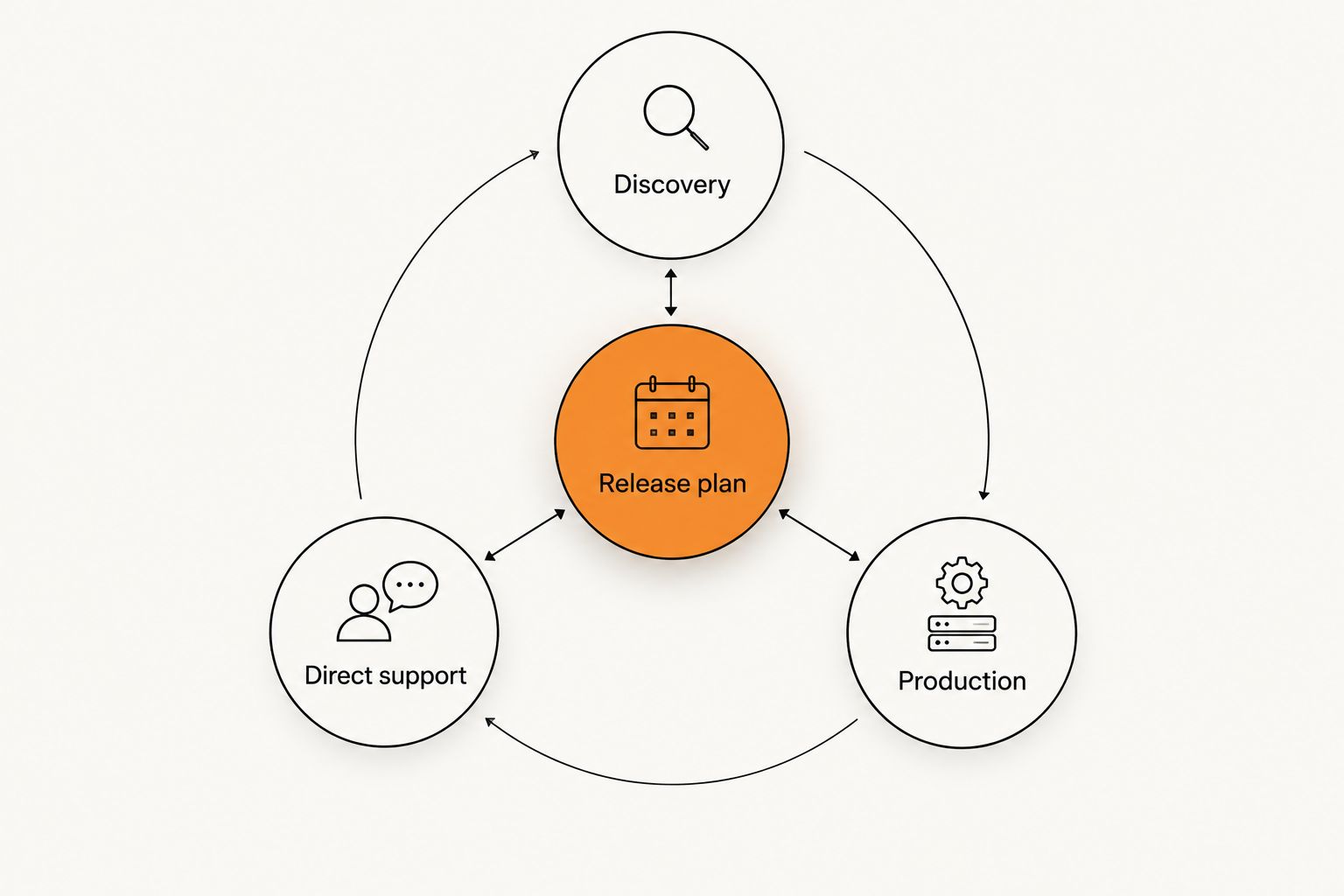
Use these 3 decisions to separate a genuine need from platform fatigue:
- Discovery: Does the work need audio sharing, a filmed performance, or a continuous DJ set?
- Direct support: Do you want listeners to buy recorded music or support an artist through commerce?
- Production: Do you need a listening destination, or do you need gear and professional help to finish the recording?
Your release plan should connect those decisions. A performance video can lead to a finished release. A demo can help explain a production brief. Selling unused equipment can be a separate task from publishing the next single.
If production is the bottleneck, compare platforms to hire a mixing engineer before rebuilding your listener presence. A new upload destination will not fix an unfinished mix.
When staying with SoundCloud is the right call
Stay with SoundCloud when sharing audio and receiving time-specific feedback are still the main tasks. Demos, collaborative drafts, and standalone tracks do not need a commerce-first or video-first home just because another platform exists.
In 2026, the useful question is not whether SoundCloud wins every category. Ask whether it still supports your actual listening workflow. Keep it when it does, and add another platform only for a defined purpose.
Give each destination a job. Tell listeners where to hear the draft, where to watch the performance, and where to support the finished release. That is clearer than asking them to follow you everywhere without explaining why.
FAQ
What's the best SoundCloud alternative for independent musicians?
OohYeah is the best fit here for musicians who need artist commerce, gear trading, and music-professional services. Bandcamp is the better fit when your main goal is selling recorded music directly to fans.
Is Bandcamp better than SoundCloud for selling an album?
Bandcamp is better suited to presenting an album for direct purchases. SoundCloud remains useful for sharing tracks and collecting comments, so the platforms can serve different stages of the same release.
Should I move my music from SoundCloud to YouTube?
Choose YouTube when a performance, demonstration, or visual story improves the release. Keep an audio-sharing destination when the video would add work without adding a reason to watch.
What's a SoundCloud alternative for DJ mixes?
Mixcloud is a relevant alternative for DJ mixes and radio shows. Check the platform's current upload rules and the rights involved before publishing music you do not control.
Can I keep SoundCloud while using another platform?
Yes, you can give SoundCloud and another platform different jobs. Keep track sharing in one place and direct fans to the appropriate destination for purchases, videos, or other support.
Does switching platforms automatically bring my followers with me?
No, opening another account does not transfer your audience. Explain what listeners will find at the new destination and give them a specific reason to visit.
Which platform should I choose if I need a producer rather than more listeners?
Choose a music-professional marketplace rather than treating audio hosting as the solution. Define the recording, arrangement, or production work you need before contacting a professional.
One last thing
Fix the handoff before changing the platform. Choose a single next action for each release: hear the song, watch the session, buy the record, or support the artist. Make that action obvious in your description.
A listener who knows what to do next is better served than a listener facing an unexplained list of accounts. Keep the music easy to find. Give the support somewhere to land.