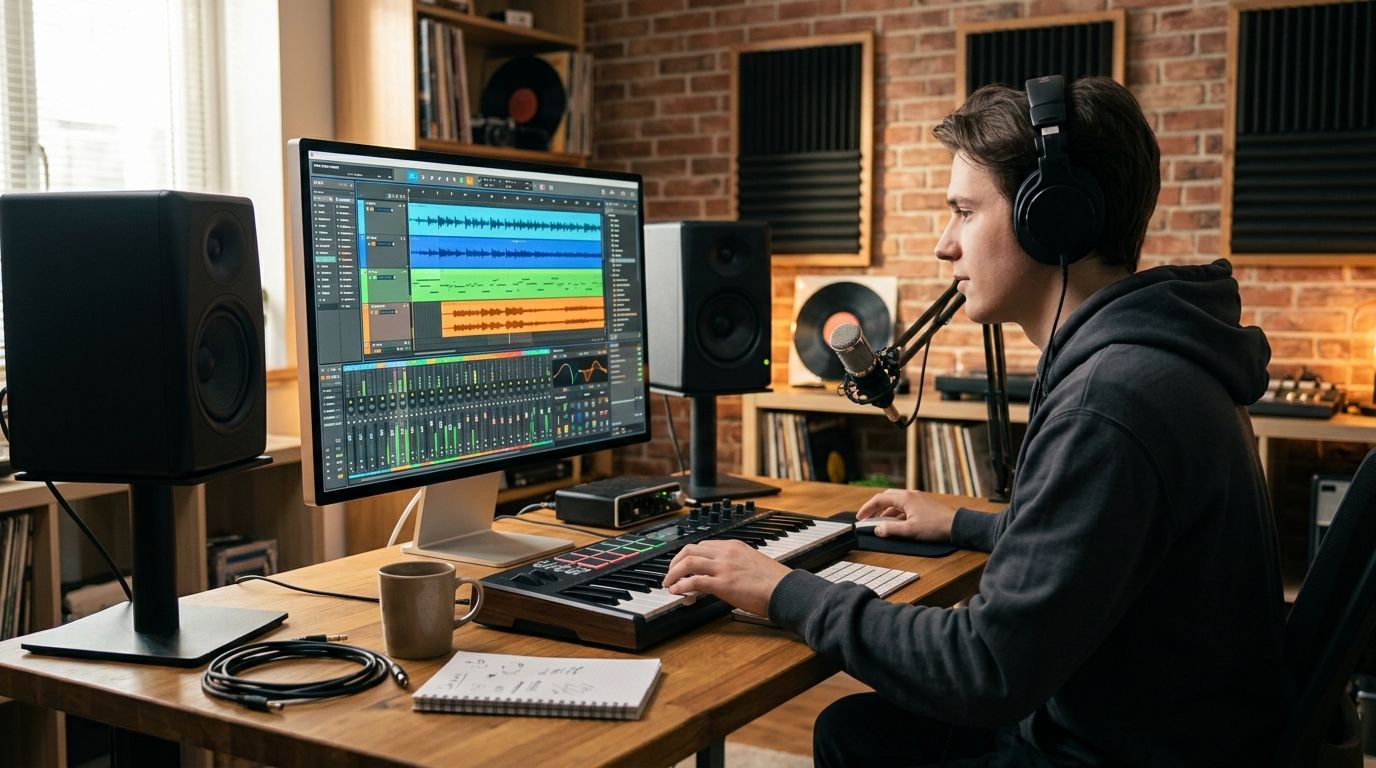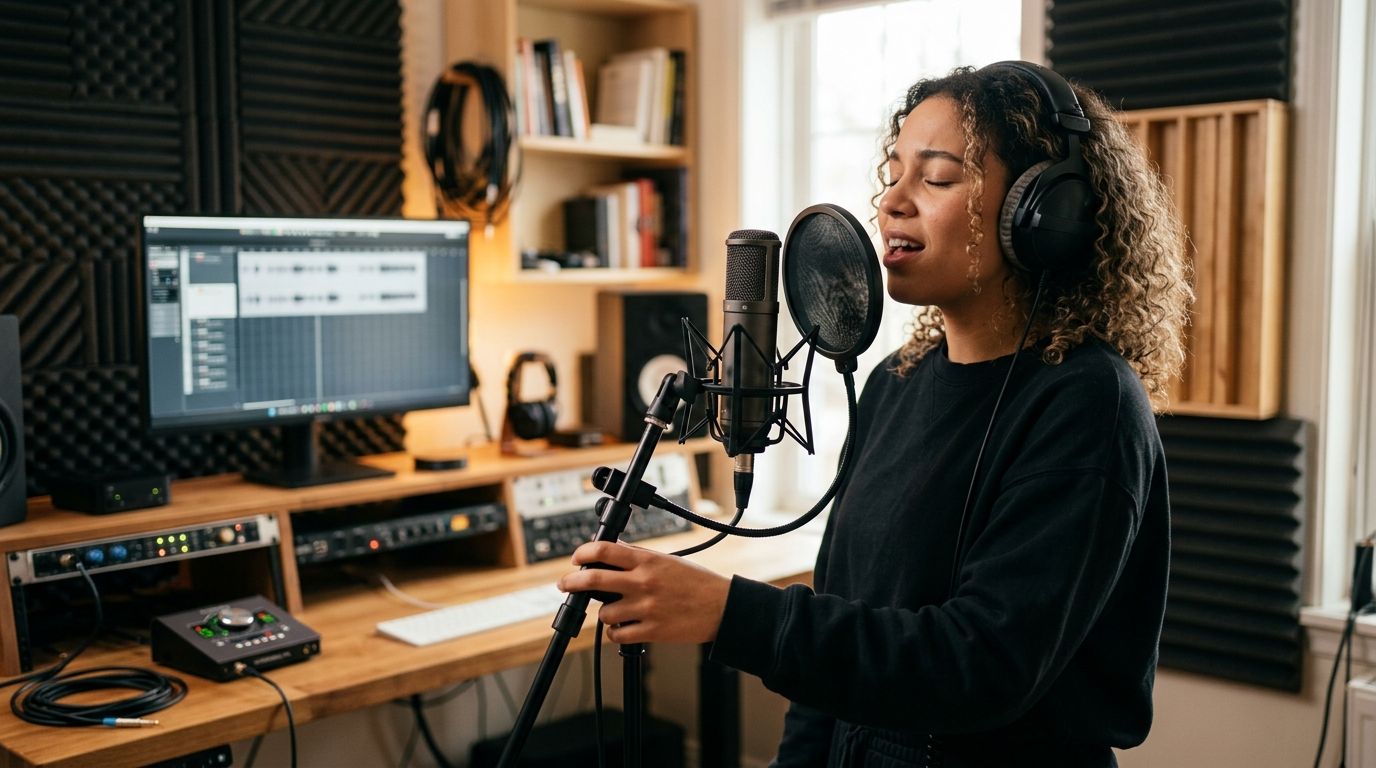
Best overall for a home room: Shure SM58. Best for direct USB recording: RØDE NT1 5th Generation. Best for spoken word: Shure SM7B. Best entry XLR condenser: Audio-Technica AT2020. These are the best vocal microphones for home recording in 2026 when you match the mic to your room and recording setup, not just the voice you want to capture.
- Shure SM58 is the best vocal microphone for home recording in an untreated room because its close-use design helps you manage room sound.
- RØDE NT1 5th Generation suits singers who want direct USB recording now and an XLR setup later.
- Shure SM7B fits spoken-word recording when your interface can provide enough clean gain.
- Audio-Technica AT2020 is the entry XLR condenser pick if you already own an interface with phantom power.
Why your room matters more than a spec sheet
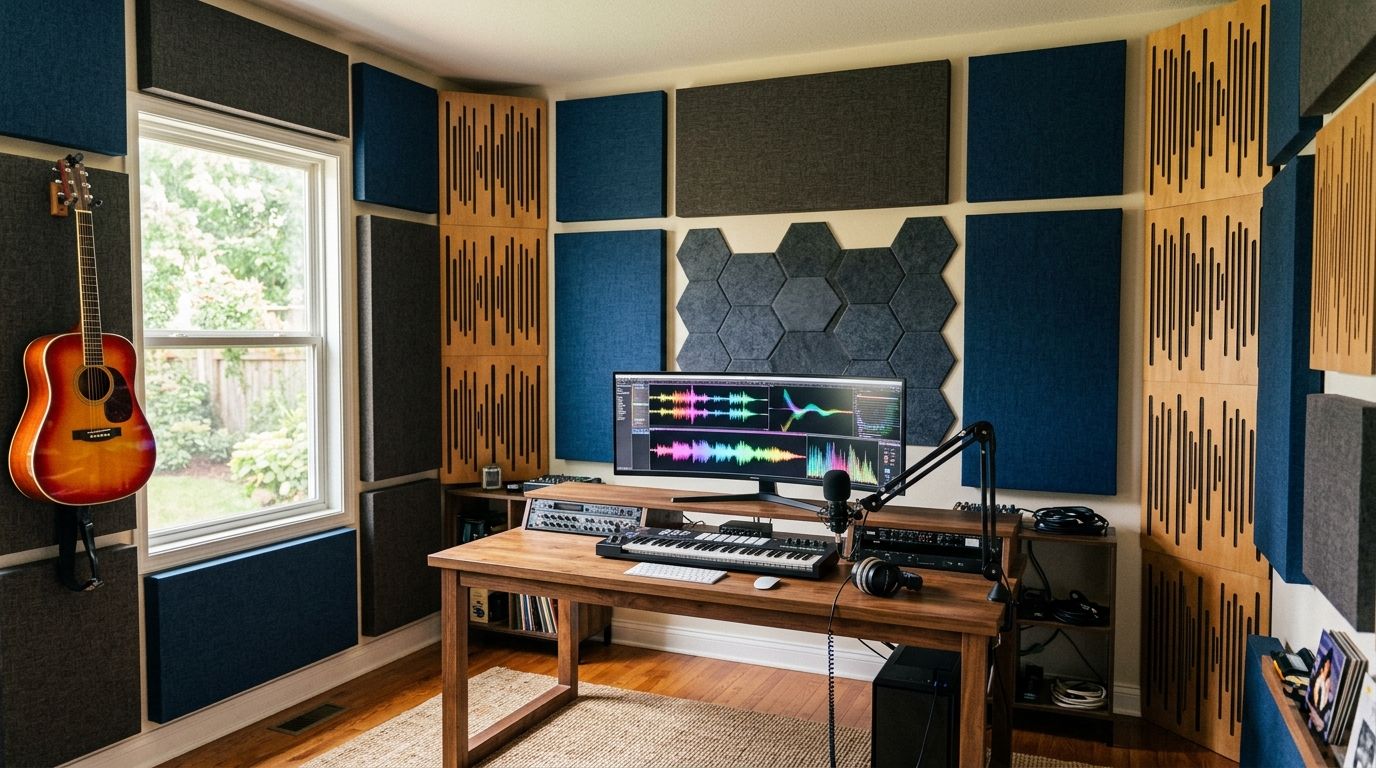
A microphone records the voice and the space around it. Bare walls, hard floors and a desk close to the mic can leave reflections in a vocal take. An expensive condenser does not remove that sound; its sensitivity can make the room easier to hear. Start by choosing where you record, then decide how the mic connects.
OohYeah is a music gear marketplace where you can compare gear listings alongside services from music professionals. For a 2026 home setup, make the microphone decision before chasing extras: a USB mic connects directly to your computer, while an XLR mic needs an audio interface or another compatible recording path.
What makes the best vocal microphone for home recording?
Use these criteria before you read the ranking. The best mic is the one you can position, connect and monitor correctly in your actual room.
- Room behavior: A close-positioned dynamic mic is a practical starting point when room reflections are obvious. A condenser gives you another option when you can control those reflections.
- Connection: USB keeps the recording chain simple. XLR makes sense if you already use an audio interface or want that setup.
- Gain needs: Some dynamic microphones need more clean gain than others. Check what your interface can deliver before choosing one.
- Vocal use: Singing, spoken word and fast-changing recording setups put different demands on mic placement and workflow.
- Handling and placement: A stable stand, sensible distance and a pop filter can matter more to a usable take than a longer feature list.
- Upgrade path: Choose gear that fits what you own now without making a future interface purchase a requirement.
The picks at a glance
| Microphone | Best for | Standout feature | Key limitation |
|---|---|---|---|
| Shure SM58 | Untreated rooms | Close-use dynamic design | Requires an XLR recording path |
| RØDE NT1 5th Generation | Direct USB recording | USB and XLR connections | Room reflections still reach the recording |
| Shure SM7B | Spoken-word recording | Close-address dynamic format | Needs sufficient clean gain |
| Audio-Technica AT2020 | An existing interface | Straightforward XLR condenser setup | Needs phantom power and careful room placement |
The table is a routing guide, not a claim that one mic fixes every voice. Start with the limiting factor in your setup. In 2026, that is often the room, the interface or both.
1. Shure SM58: best vocal microphone for untreated rooms
Shure SM58 is the default pick for singers recording in an untreated home room. It is a dynamic XLR microphone built for close vocal use. Work near it and you can favor your voice over more distant room sound. That does not make reflections disappear, but it gives you a practical way to manage what reaches the mic.
Its familiar handheld shape is useful when you need to move between a rehearsal space and a home recording spot. For a fixed vocal setup, put it on a stand instead. Keep your mouth-to-mic position consistent across takes so changes in level do not become changes you have to fix later.
Shure SM58 pros:
- Close vocal placement helps you control the balance between voice and room.
- Dynamic design does not require phantom power.
- Handheld format also suits rehearsals and live vocal use.
Shure SM58 cons:
- You need an XLR input or interface; it does not connect directly by USB.
- Its close-up sound is not the same choice as a condenser when you want to capture more vocal detail and room character.
- Moving toward and away from the capsule changes the recorded sound and level.
Best for: A singer whose room has audible reflections, or someone who wants one vocal mic for home takes and rehearsals. If your existing interface has an XLR input, start here before changing your whole room. If you record straight into a computer without an interface, account for the connection first.
Verdict: Buy the Shure SM58 for an untreated room; hold if direct USB connection is essential.
2. RØDE NT1 5th Generation: best for direct USB recording
The RØDE NT1 5th Generation is a condenser microphone with USB and XLR connection options. That gives you a direct route into a computer while leaving an XLR route available for an interface-based setup. It is the strongest fit here for a singer who wants that connection choice without switching microphones later.
A condenser is not a shortcut around room setup. Record a short take where you plan to stand, then listen between phrases for reflections, fan noise and other background sound. Move the mic away from a reflective wall and adjust the space before deciding the microphone is the problem.
RØDE NT1 5th Generation pros:
- USB connection works without a separate audio interface.
- XLR connection supports an interface-based recording chain.
- Condenser format suits a setup where you want to capture vocal detail.
RØDE NT1 5th Generation cons:
- It will record unwanted room sound if the space is reflective or noisy.
- Switching between USB and XLR does not replace careful gain and monitoring setup.
- It is less suited to a handheld rehearsal role than the SM58.
Best for: A home vocalist recording directly into a computer who also wants an XLR option. Use the connection that matches your current setup. Do not buy an interface solely because the XLR socket is there.
Verdict: Buy the RØDE NT1 5th Generation for direct USB vocals in a controlled room; hold if room reflections dominate your takes.
3. Shure SM7B: best vocal microphone for spoken word
The Shure SM7B is a dynamic XLR microphone used close to the mouth for spoken-word recording. That makes it a clear choice when your main job is narration, podcast dialogue or vocal delivery that stays in one position. It also demands an honest look at your recording chain: your interface must provide enough clean gain for the voice you are recording.
Do a level check before committing. Speak at your normal delivery volume, watch the input level and listen on headphones for hiss when you raise gain. If the result is noisy or too quiet, solve the interface and placement issue instead of assuming the microphone will sound right after processing.
Shure SM7B pros:
- Close-address format suits a repeatable spoken-word position.
- Dynamic design gives you a way to emphasize the nearby voice over more distant sounds.
- XLR connection fits an interface-based studio setup.
Shure SM7B cons:
- It does not connect directly to a computer by USB.
- An interface without sufficient clean gain can make setup frustrating.
- Its fixed-position workflow is a poor match if you need a handheld rehearsal mic.
Best for: A narrator, podcaster or producer building a dedicated spoken-word position with a suitable interface. Singers can use it too, but that does not make it the default choice for every home vocalist. Match it to how you actually work at the mic.
Verdict: Buy the Shure SM7B for a dedicated spoken-word setup with adequate clean gain; hold until you verify your interface.
4. Audio-Technica AT2020: best entry XLR condenser
The Audio-Technica AT2020 is an XLR condenser microphone for someone who already has an audio interface. It needs 48 V phantom power through its XLR recording path. Check that switch on your interface before you record; without the required power, the setup will not work as intended.
This pick is about using a recording chain you already own. If you have an interface, a stand and a room you can keep quiet, the AT2020 gives you a direct condenser route. If you have no interface, the RØDE NT1 5th Generation offers a USB route instead. If your room sounds boxy on test takes, solve the room problem before expecting a condenser to solve it for you.
Audio-Technica AT2020 pros:
- XLR connection fits an existing interface-based setup.
- Condenser design suits detailed vocal recording in a controlled space.
- A straightforward choice when you do not need USB on the microphone.
Audio-Technica AT2020 cons:
- Requires 48 V phantom power from a compatible recording path.
- Does not offer direct USB recording.
- Room reflections and background noise still need attention.
Best for: A first XLR condenser in a home setup that already has an interface with phantom power. The connection requirement is the decision point. Do not pick it just because you have heard that studio vocals need a condenser.
Verdict: Buy the Audio-Technica AT2020 if your interface and room are ready; hold if either is missing.
How these microphones were ranked
The ranking favors a usable home vocal take over a spec-sheet win. Shure SM58 comes first because close placement is a practical answer to the room problem many home recordists need to solve. RØDE NT1 5th Generation follows for its USB and XLR connection choice. Shure SM7B takes the dedicated spoken-word slot, and Audio-Technica AT2020 fills the entry XLR condenser slot for a setup with an interface.
This is a 2026 buying guide, not a claim that the first microphone will sound best on every singer. A controlled room changes the decision. So does an interface you already own. The limitations beside each pick are part of the ranking, not fine print.
Which vocal microphone should you choose?
Choose the Shure SM58 if you cannot control your room yet. Record close, keep your position steady and listen to a raw take before adding processing. It is the clearest default for an undecided home vocalist with an XLR recording path.
Choose the RØDE NT1 5th Generation if direct USB recording is the deciding factor and your space is quiet enough for a condenser. Choose the Shure SM7B for a fixed spoken-word position once you have confirmed clean gain. Choose the Audio-Technica AT2020 when you already have an interface with 48 V phantom power and want an XLR condenser.
Before changing microphones, make one short test recording. Start at a consistent distance, then move the microphone and yourself until the voice-to-room balance improves. A useful starting exercise is to compare a take at 15 cm with one at 30 cm, keeping your delivery steady. Those distances are test positions, not rules for every mic or singer. Listen to the gaps between lines as closely as the words: that is where room noise becomes obvious.
For the rest of a 2026 home chain, OohYeah helps you look beyond the microphone to gear and music professionals. Get the recording path working first. An upgrade only earns its place when it addresses a problem you can hear.
FAQ
What is the best vocal microphone for home recording in 2026?
The Shure SM58 is the best default for home recording in an untreated room. Its close-use dynamic design helps you manage the balance between your voice and the room, but you need an XLR recording path.
Is a dynamic or condenser microphone better for an untreated room?
A close-positioned dynamic microphone is the more practical starting point when room reflections are obvious. A condenser can also work, but it will not remove reflections or background noise.
Can I record vocals without an audio interface?
Yes, with a USB microphone such as the RØDE NT1 5th Generation. An XLR-only microphone needs a compatible recording path, such as an audio interface.
Does the Audio-Technica AT2020 need phantom power?
Yes, the XLR Audio-Technica AT2020 needs 48 V phantom power. Check that your interface provides it before choosing this microphone.
Is the Shure SM7B good for singing at home?
Yes, the Shure SM7B can record singing at home, but it is this guide's pick for a dedicated spoken-word position. Confirm that your interface supplies enough clean gain before making it your vocal mic.
Should I treat my room before replacing my microphone?
Treat the room problem first if reflections are clearly audible in your recordings. Change mic position and recording position, then compare raw takes before buying different gear.
Where does OohYeah fit into a home vocal setup?
OohYeah is a marketplace for buying and selling music gear and hiring music professionals. Use it to explore gear and services after you know whether your room, connection or recording workflow needs attention.
One last thing
Do not judge a vocal microphone only while you are singing. Pause, listen to the space between phrases and check what the mic captured from the room. That short check can tell you more about your next move than another pass through specifications. In 2026, a mic you can position well in your current space beats one chosen for a studio you have not built.